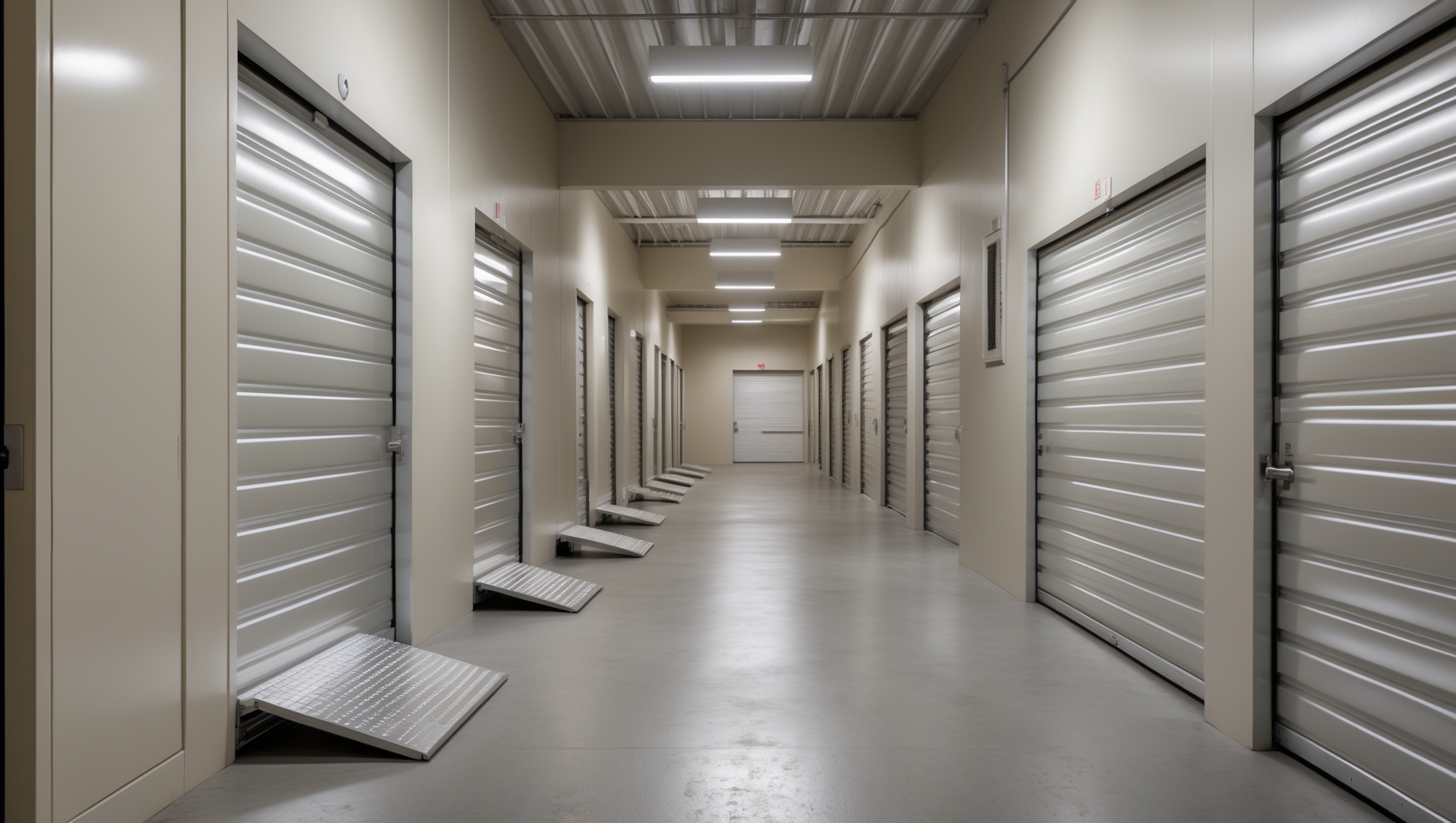
Introduction: The Essential Need for Accessible Storage Units
As the demand for self-storage solutions continues to grow, so does the need for facilities to accommodate a diverse range of users. From individuals with mobility challenges to older adults, parents with strollers, and even small business owners moving bulky inventory, accessible storage units are no longer a luxury—they’re a necessity. Accessibility isn’t just about compliance with laws; it’s about providing a seamless experience for everyone. This approach not only expands your customer base but also demonstrates a commitment to inclusivity, safety, and customer satisfaction. In this comprehensive guide, we’ll explore practical, actionable upgrades that make storage units accessible, from the parking lot to the farthest unit. We’ll cover everything from ADA-compliant design and entryway modifications to storage layout tips, lighting enhancements, and technology solutions, ensuring your facility meets the needs of all users.
Understanding Accessibility in Storage Facilities
What Does Accessibility Mean in Self-Storage?
Accessibility in the context of self-storage refers to designing and maintaining spaces so that they are usable by people with a wide range of abilities and limitations. This includes individuals with physical disabilities, temporary injuries, or those who rely on assistive devices such as wheelchairs or walkers. But true accessibility goes beyond minimal compliance—it considers the full user experience, from site entry to unit access and interior design.
Legal Compliance: ADA and Beyond
- Americans with Disabilities Act (ADA): In the U.S., federal law requires certain accessibility standards for public accommodations, including self-storage. These cover accessible parking, routes, entrances, doors, and unit design.
- Local Codes: Some jurisdictions impose additional requirements, such as specific signage or emergency egress features.
- Universal Design: Going beyond code, universal design principles create environments that are usable by everyone, regardless of age or ability.
Upgrading Entryways and Exterior Access
1. Accessible Parking Spaces
- Designate parking spots closest to the entrance as accessible.
- Ensure they are at least 8 feet wide; van-accessible spaces require an adjacent 8-foot access aisle.
- Add clear, durable signage and maintain smooth, level surfaces free of cracks or potholes.
2. Pathways and Ramps
- Install non-slip ramps with a slope no steeper than 1:12.
- Minimum width should be 36 inches, with handrails on both sides if the rise exceeds 6 inches.
- Ensure pathways from parking to the entrance are at least 36 inches wide, well-lit, and free of obstructions.
3. Entrance Doors
- Use automatic doors or lever-style handles for easy operation.
- Doorways should provide at least 32 inches of clear width when open.
- Thresholds must not exceed 1/2 inch in height to prevent tripping hazards.
Optimizing Interior Access: Corridors, Units, and Amenities
1. Wide, Obstruction-Free Corridors
- Maintain hallways at least 36 inches wide; 48 inches is optimal for two-way traffic.
- Keep corridors clear of carts, cleaning equipment, and stored items.
- Install convex safety mirrors at blind corners to improve visibility.
2. Leveraging Accessible Unit Design
- Reserve a percentage of ground-floor units as accessible, with extra-wide doorways and level thresholds.
- Choose roll-up doors with easy-to-grip handles positioned no higher than 48 inches from the ground.
- Ensure adequate turning space (at least 60 inches diameter) inside units for wheelchair access.
3. Elevators and Upper-Level Access
- Install elevators serving all floors; cabs must be at least 51 x 68 inches with controls at accessible heights.
- Ensure elevator call buttons are tactile and illuminated for users with visual impairments.
- Post clear, high-contrast directional signs on all floors.
4. Accessible Restrooms and Waiting Areas
- If your facility offers restrooms, ensure at least one is fully accessible with grab bars, low sinks, and wide doors.
- Provide a seating area near the entrance with sturdy chairs and clear floor space for mobility devices or strollers.
Smart Storage Unit Upgrades for Accessibility
1. Adjustable Shelving and Racking
- Offer modular shelving systems adjustable between 15 and 48 inches from the floor.
- Encourage renters to use stackable, lightweight containers for easier reach.
- Install wall-mounted shelving with reinforced brackets to support heavier items at accessible heights.
2. Door Hardware and Lock Solutions
- Upgrade to electronic keypad locks or RFID access, eliminating the need for small keys or padlocks.
- Choose large, ergonomic lock mechanisms with tactile feedback and easy operation.
- Install lever handles rather than knobs for customers with limited grip strength.
3. Lighting Enhancements
- Use bright, evenly distributed LED lighting in hallways and inside units.
- Install motion-activated lights at entrances and in units to assist users with limited mobility.
- Ensure emergency lights and illuminated exit signs are present and functional.
Technology Solutions: Smart Tools for Accessibility
1. Mobile App Integration
- Provide a mobile app for contactless entry, digital payments, and remote support.
- Include features like wayfinding maps, voice navigation, and availability indicators for accessible units.
2. Video Monitoring and Assistance
- Install video intercom systems at entrances, elevators, and key points for instant assistance.
- Offer virtual tours and digital instructions for first-time users.
3. On-Site Accessibility Tools
- Provide free-to-use carts with easy-rolling wheels and ergonomic handles.
- Offer grabber tools or portable step stools for reaching higher shelves safely.
- Maintain a supply of lightweight folding ramps for temporary use at unit entrances.
Staff Training and Customer Support
1. Accessibility-Focused Staff Training
- Train staff on how to assist customers with various needs respectfully and effectively.
- Educate employees about the location and use of accessible features and emergency procedures.
- Conduct regular refresher sessions and encourage feedback from customers with disabilities.
2. Proactive Customer Communication
- Clearly communicate which units and facility features are accessible in your marketing materials and online listings.
- Offer virtual consultations or guided tours for customers with specific accessibility requirements.
- Provide a direct line or email for accessibility-related inquiries and requests.
Maintenance Best Practices for Accessibility Features
1. Routine Inspections
- Schedule monthly checks of ramps, doors, elevators, handrails, and lighting.
- Promptly repair surface cracks, loose hardware, or malfunctioning automatic doors.
- Test emergency communication devices and lighting during each inspection.
2. Seasonal Considerations
- Keep all exterior ramps and walkways clear of snow, ice, and debris during winter months.
- Address puddling or mud after heavy rains to prevent slipping hazards.
- Ensure weather seals on doors are intact to maintain safe, dry access.
Marketing Your Accessibility Upgrades
1. Highlight Accessibility in Promotional Materials
- Use high-quality images of accessible features on your website and social media.
- Include testimonials from satisfied customers who benefited from accessibility upgrades.
- List accessible amenities and unit types in all online directories and Google My Business listings.
2. Community Outreach and Partnerships
- Partner with local disability advocacy groups and senior centers to spread awareness.
- Host open house events specifically showcasing accessibility improvements.
- Offer special promotions for veterans, seniors, and customers with documented mobility needs.
Future-Proofing: Planning for Evolving Accessibility Standards
1. Stay Informed on Legislation
- Subscribe to newsletters or join trade associations that monitor accessibility laws and standards.
- Consult with architects or accessibility specialists when planning facility expansions or major upgrades.
2. Incorporate Flexibility in Design
- Choose modular construction techniques that allow for easy reconfiguration of units and corridors.
- Allow extra space in site planning for future ramps, elevators, or technology upgrades.
Conclusion: Creating a Welcoming and Inclusive Storage Experience
Investing in accessibility upgrades for your storage facility is not just about meeting legal requirements—it’s about opening your doors to a wider audience, building customer loyalty, and future-proofing your business. Thoughtful improvements such as accessible parking, ramps, wide corridors, advanced lighting, and technology integration ensure that everyone—from wheelchair users to busy parents—can store and retrieve their belongings safely and conveniently. By focusing on practical, user-centered solutions, you demonstrate a genuine commitment to inclusivity and community engagement. Remember, accessibility is an ongoing journey: regular maintenance, proactive staff training, and staying abreast of changing standards are all essential. As awareness of inclusive design grows, facilities that embrace these principles will stand out in a competitive market, benefiting both customers and owners alike. Start small or plan big—every improvement counts towards creating a storage experience that truly welcomes all.
You mentioned both ADA standards and local jurisdiction codes for accessibility. Do you have any advice for facility owners on how to prioritize upgrades if local rules go beyond federal requirements? Is there a particular order or checklist you recommend?
When local codes are stricter than ADA standards, it’s important to follow the more stringent requirements since those will govern inspections and compliance. Start with core accessibility needs like entryways, parking, and restrooms, as these are commonly enforced. Then address secondary features like signage and technology upgrades. Creating a checklist based on local code, then cross-referencing with ADA guidelines, helps ensure nothing is missed. Consulting with an accessibility specialist can also help you prioritize effectively.
For facilities trying to balance ADA compliance with universal design principles, what are some budget-friendly upgrades that have the biggest impact on accessibility without requiring a full remodel?
Some cost-effective upgrades that can make a significant difference include installing lever-style door handles, adding portable ramps, improving lighting, and placing clear, large-print signage at key points. Widening doorways with swing-clear hinges and marking accessible parking spots are also impactful changes. These updates enhance accessibility for everyone without requiring extensive construction.
You mention integrating technology solutions to improve accessibility in storage units. Are there any specific smart devices or apps that you’ve seen work particularly well for users with mobility challenges, especially in terms of securing or accessing their units without traditional keys?
Yes, several smart solutions have proven helpful for users with mobility challenges. Keyless entry systems, such as smart locks that use Bluetooth or keypad codes, allow users to unlock units using their smartphones or personalized codes, eliminating the need for traditional keys. Some facilities also use access control apps that let customers manage entry remotely or even share temporary access with caregivers. Voice-activated devices and systems with wide door automation can further enhance accessibility.
Could you give suggestions on budget-friendly lighting enhancements that make a storage unit more accessible, especially for people with vision impairments or mobility issues? I am trying to keep this upgrade affordable but effective.
For a budget-friendly lighting upgrade, consider installing battery-operated LED puck lights or stick-on tap lights, which are easy to mount and require no wiring. Motion-sensor LED strips can also help, turning on automatically when someone enters. For added accessibility, choose lights with adjustable brightness and place them at key points like entrances and shelves. These solutions provide clear, even lighting and are ideal for improving visibility and safety in storage units without a big investment.