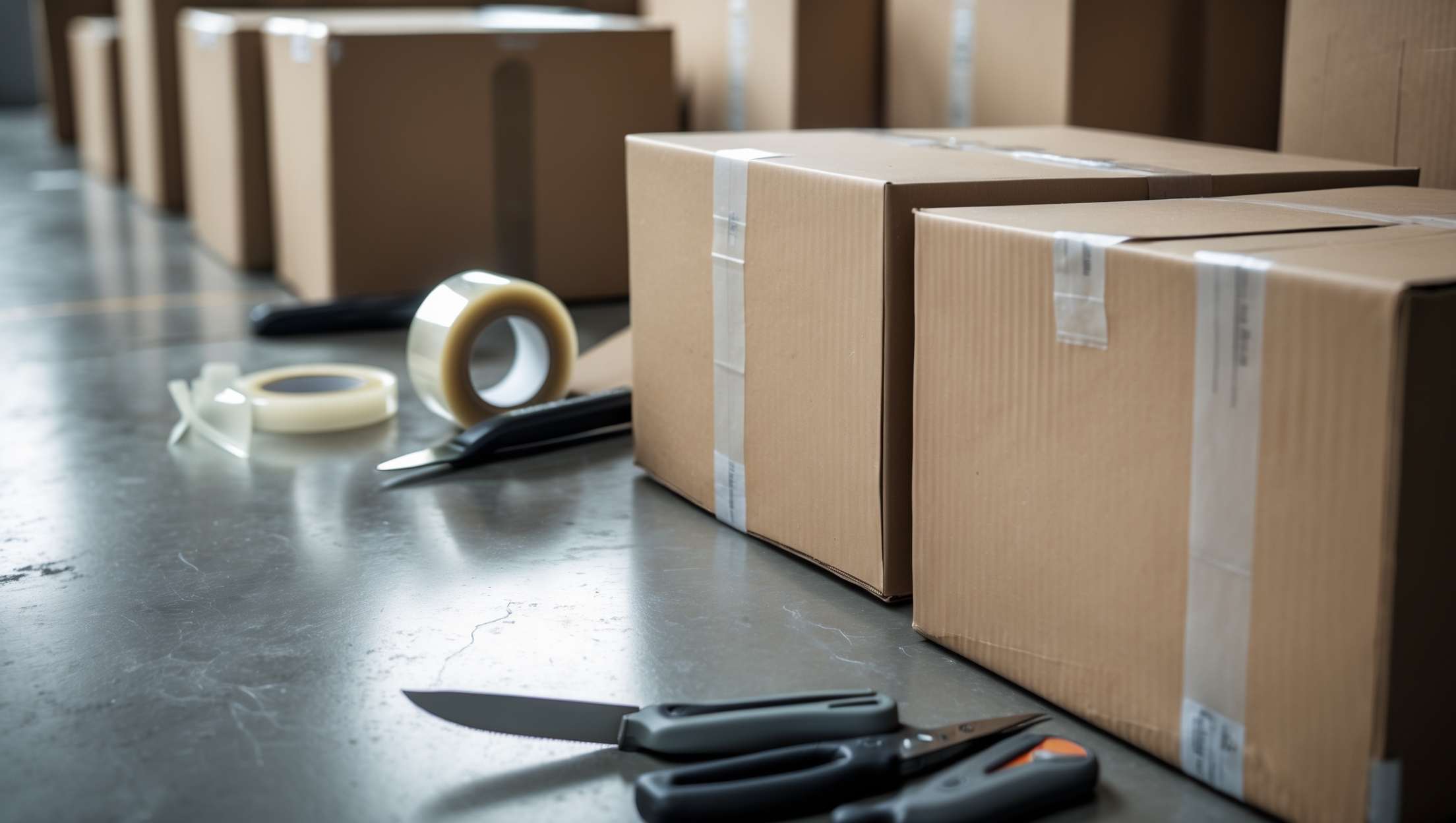
Introduction: Underestimated But Critical—The Role of Packing Tape in Moving & Storage
It’s easy to underestimate the humble roll of packing tape during a move or storage project. Yet, this seemingly simple tool can make the difference between your belongings arriving safely or suffering costly damage. Whether you’re a DIY mover or a small business owner in the storage industry, understanding packing tape is crucial. Box failures, lost items, and even injury can often be traced back to mistakes in tape choice or application. This in-depth guide reveals the most common packing tape errors and offers professional strategies for selecting, applying, and managing tape—ensuring every box remains secure from point A to point B (and beyond). If you want to avoid the frustration of box blowouts, sticky messes, or wasted effort, read on for actionable advice that goes beyond the basics. We’ll cover essential tape types, smart purchasing, climate considerations, storage tips, and hands-on techniques that even seasoned movers can benefit from. Ready to make every box a fortress? Let’s dive in.
The Most Common Packing Tape Mistakes (and Why They Matter)
1. Using the Wrong Tape Type
Not all tapes are created equal, and using the incorrect type is the fastest route to disaster. Packing tape is specifically engineered for securing boxes, but many people substitute it with masking, duct, or cheap dollar-store tape. These alternatives can lose adhesion, tear during lifting, or simply not stick at all to cardboard, especially in humid or cold conditions. The result? Boxes burst open under weight, leading to lost or damaged contents.
- Masking Tape: Designed for painting, offers weak adhesion; fails quickly under stress.
- Duct Tape: Strong but too flexible; can peel away from cardboard over time and leave sticky residue.
- Economy Tape: Thin, low-tack, and sometimes brittle; often splits or unrolls itself.
2. Skimping on Tape Quality
In an effort to save money, it’s tempting to buy the cheapest tape available. Unfortunately, low-quality tape is a false economy. It often requires multiple layers to hold, leading to waste and frustration. Worse, it can fail when most needed—during transport or long periods in storage. Professional movers always recommend investing in commercial-grade packing tape (typically acrylic or hot melt adhesive, 2-3 inches wide, and at least 2 mils thick).
3. Poor Application Technique
Even the best tape can fail if applied improperly. Common errors include using too little tape, not sealing box seams fully, or leaving the tape loose and wrinkled. When boxes are stacked, any unsealed seam becomes a weak point. Incorrect application also increases the risk of tape popping off, especially if the box is full or under stress.
4. Ignoring Climate and Storage Conditions
Tape performance is heavily impacted by temperature and humidity. Many adhesives lose stickiness in cold, while others can become gooey and peel in heat. Storing tape rolls in garages or damp basements can further degrade their effectiveness. Failing to consider these variables can turn a secure box into a ticking time bomb.
5. Inadequate Surface Preparation
Dust, oil, or moisture on the box can prevent tape from adhering. Skipping a quick wipe-down or using recycled boxes with old label residue often leads to tape failure. Professionals always ensure a clean, dry surface before applying tape.
6. Over-Taping or Under-Taping
Applying too much tape wastes material and makes boxes difficult to open. Too little tape, on the other hand, won’t hold under weight. The key is strategic placement—covering all seams and stress points with just enough overlap for strength.
7. Not Using the Right Tools
Struggling with tape by hand leads to ragged edges, wasted rolls, and frustration. A quality tape dispenser with a sharp blade saves time and ensures a tight, even seal. Utility knives or scissors are useful for trimming excess, but avoid tearing tape by hand whenever possible.
Choosing the Right Packing Tape: Types, Grades, and Features
Understanding Tape Types
- Acrylic Packing Tape: UV-resistant, great for long-term storage; performs well across a range of temperatures.
- Hot Melt Tape: Superior initial tack and holding power; ideal for heavy boxes and fast packing jobs.
- Water-Activated (Gummed) Tape: Creates a tamper-evident, fiber-reinforced bond; essential for valuable or long-term stored items.
- Filament Tape: Reinforced with fiberglass strands; used for extra-heavy or irregularly shaped boxes.
Key Tape Features to Look For
- Width: 2-inch for standard boxes, 3-inch for heavy-duty or large containers.
- Thickness (Mils): 2+ mils for standard packing, 3+ mils for heavy-duty use.
- Adhesive Strength: Look for high tack ratings; check manufacturer specs if possible.
- Clarity: Clear tape is ideal for labeling; tan or brown for blending with boxes.
- Core Size: Most dispensers use 3-inch cores; double-check before buying in bulk.
Pro Buying Tips
- Buy tape in multi-packs to save money and avoid running out mid-move.
- Test a single roll before committing to a large purchase if using a new brand.
- For storage in extreme climates, prioritize UV- and temperature-resistant tapes.
Step-by-Step: Professional Tape Application for Maximum Security
Preparing Boxes for Taping
- Inspect boxes for moisture, dust, oil, or debris. Wipe clean if necessary.
- Remove old tape or label residue for optimal adhesion.
- Ensure boxes are not overfilled or bulging—this puts extra strain on seams.
Sealing the Bottom
- Fold the bottom flaps so they lay flat and even.
- Apply at least one strip of tape along the center seam, extending 3–4 inches up each side.
- For heavy boxes, use the H-taping method: one strip down the middle, two strips across each edge to form an “H.”
- Press tape firmly with your hand or the flat edge of the dispenser to ensure full contact.
Packing and Sealing the Top
- Do not overfill—leave enough space for the top flaps to close flat.
- Repeat the H-taping method when sealing the top.
- Double-tape on the heaviest boxes or for long-term storage.
Side and Corner Reinforcement
- For extra-heavy or awkward boxes, reinforce vertical seams with short strips of tape.
- Never wrap tape all the way around the box unless shipping or storing for extended periods—it wastes tape and complicates access.
Using Tape Dispensers Correctly
- Keep the blade sharp and free of adhesive buildup.
- Hold the dispenser at a 45-degree angle for smooth application.
- Use the built-in tension control (if available) to prevent stretching or wrinkling the tape.
Advanced Tape Strategies for Special Moving & Storage Scenarios
Long-Term Storage
- Use acrylic or water-activated tape for boxes that will be stored for 6+ months.
- Label tape application dates on boxes designated for long-term storage.
Fragile or High-Value Items
- Double-seal all seams and consider using filament tape for extra strength.
- Water-activated tape adds a tamper-evident layer for collectibles or electronics.
Odd-Shaped or Overstuffed Boxes
- Filament tape crossed over bulging areas helps prevent seam splits.
- If box flaps won’t close, repack rather than over-taping—structural integrity is key.
Moisture-Prone Environments
- Look for waterproof or moisture-resistant tape.
- Reinforce box bottoms and corners, as these areas are most vulnerable to humidity and leaks.
Proper Tape Storage and Maintenance
How to Store Tape for Maximum Lifespan
- Keep tape in a cool, dry location away from direct sunlight.
- Store rolls upright in their original packaging to prevent dust accumulation.
- Avoid high-humidity areas like garages or basements.
- Use airtight plastic bins for long-term tape storage.
Inspecting Tape Before Use
- Check for dried-out, yellowed, or brittle rolls—these have lost adhesive strength.
- Unwind a few inches to check for smooth, even tack without stringiness.
Managing Tape Inventory
- Label tape rolls with purchase or open dates for tracking.
- Rotate stock: use older rolls first to prevent waste.
- For businesses, keep a simple log of usage per job to anticipate future needs.
Quick Reference: Dos & Don’ts for Packing Tape Success
- Do: Always use professional-grade packing tape.
- Do: Clean and dry box surfaces before taping.
- Do: Apply tape with a proper dispenser for a tight, even seal.
- Do: Employ H-taping for all box seams.
- Don’t: Substitute with masking, scotch, or duct tape.
- Don’t: Overlap excessive layers—strategic placement is key.
- Don’t: Store tape in hot, cold, or damp locations.
- Don’t: Ignore signs of tape aging or adhesive breakdown.
Conclusion: Small Details, Big Impact—Mastering Tape for Safer, Simpler Moves
It’s tempting to overlook packing tape in the grand scheme of moving and storage, but as we’ve seen, this small detail has outsized consequences. Choosing the right tape, applying it with care, and storing it correctly can prevent the most common moving-day disasters—toppled boxes, lost possessions, and costly damage. Whether you’re a first-timer or a seasoned pro, investing a little extra effort into your taping strategy pays off in peace of mind and real savings. Avoiding the pitfalls outlined above means fewer headaches and a smoother experience from start to finish. Remember: the right tape, used the right way, turns every box into a fortress that stands up to the rigors of moving trucks, climate shifts, and long-term storage. Before your next move or storage project, take a few minutes to review your tape stock, upgrade your tools if needed, and apply these expert tips. The result? Safer belongings, streamlined unpacking, and a moving experience you can actually look back on with satisfaction. Don’t let tape be your weak link—make it your secret weapon for moving and storage success!
The article talks about climate affecting how packing tape sticks. I live in a really humid area, so do you have any tips for which packing tape type works best in high humidity, or how to make sure it actually stays stuck during a summer move?
High humidity can definitely affect how well packing tape sticks, as moisture may weaken the adhesive. For humid climates, it’s best to use heavy-duty packing tape labeled as ‘water-resistant’ or ‘weather-resistant,’ usually made from acrylic adhesive rather than rubber-based. Before taping, make sure boxes are dry and free of dust. Press the tape down firmly for a strong seal and consider double-sealing the seams for extra security during summer moves.
I noticed you mentioned that certain tapes like masking or duct tape don’t hold up well on cardboard, especially in humid or cold conditions. Could you provide guidance on which packing tape types perform best in fluctuating temperatures or climates with high humidity?
For packing in areas with high humidity or fluctuating temperatures, use heavy-duty acrylic packing tape. Acrylic tapes maintain their adhesive strength in both cold and hot climates, and they resist moisture better than standard tapes. Avoid rubber-based or hot-melt tapes, as their stickiness can weaken in extreme conditions. Always look for tapes specifically labeled as weather-resistant or temperature-tolerant for the best performance.
You talk about how cheap dollar-store tape can split or unroll by itself. Are there any specific brands or minimum quality standards you recommend looking for when shopping on a tight budget, so I can avoid these problems without overspending?
When shopping on a budget, look for packing tape labeled as ‘heavy duty’ or with a thickness of at least 2 mils (0.05 mm). Even affordable brands like Duck, Scotch, or Amazon Basics often offer a basic quality that holds well. Try to avoid tapes that feel flimsy or don’t list thickness. Buying multi-packs can also save money without sacrificing quality.
For someone trying to stick within a tight moving budget, is there a minimum tape quality or price point you recommend to avoid problems like box blowouts, or are there any budget-friendly brands that perform reliably?
For budget-conscious moves, it’s best to avoid ultra-cheap tape, as it often peels or loses stickiness, risking box blowouts. Look for packing tape labeled as ‘heavy duty’ or with a thickness of at least 1.9 mils. Some affordable but reliable brands include Duck, Scotch, and Tartan. Buying multi-packs can also save money without sacrificing quality.
You mention that masking tape and duct tape have their own downsides when used on moving boxes. Are there any situations where these tapes could be used effectively for packing, or should they be completely avoided for all box-sealing purposes?
Masking tape and duct tape are generally not recommended for sealing moving boxes because they lack the durability and adhesive strength needed for secure box closure. However, masking tape can be used effectively for labeling boxes, and duct tape might work for reinforcing the bottoms of lightweight boxes if nothing else is available. For primary sealing, though, it’s best to use proper packing tape to ensure boxes stay closed during handling and transport.
If someone already packed up some boxes with the wrong tape, like masking or cheap dollar-store tape, is there a way to reinforce or fix them without unpacking everything? Any practical tips for salvaging those boxes before moving day?
You can definitely reinforce boxes packed with weak tape without unpacking them. Just apply strong packing or shipping tape along all the seams and over the old tape, especially underneath the boxes and at the corners. For extra security, add a couple of strips around the sides. This will help prevent the boxes from splitting or opening during your move.
You brought up that duct tape, even though strong, can actually peel away from cardboard over time and leave residue. If I already have a stockpile of duct tape, is there any way to use it effectively for moving boxes, or should I avoid it altogether?
If you already have duct tape, it’s best to reserve it for tasks other than sealing moving boxes, since it doesn’t bond well with cardboard and leaves sticky residue. You could use it for reinforcing the bottom of boxes or bundling items together, but for actually sealing boxes shut, use packing tape instead to ensure a secure hold.
Could you explain a bit more about how climate affects tape adhesion? The article mentioned issues in humid or cold conditions but I’m not sure what to look out for when storing boxes for a few months in a non-climate controlled unit.
When storing boxes in a non-climate controlled unit, humidity can weaken tape by causing it to lose stickiness or peel away, especially if moisture seeps between the tape and box. Cold temperatures can make tape brittle and less tacky, leading to poor adhesion. For best results, use packing tape labeled for all-weather use or specifically rated for cold and humid environments, and press firmly to ensure a tight seal.
You mentioned that duct tape, while strong, is too flexible and leaves residue on cardboard. Have you ever come across a situation where duct tape actually worked better than standard packing tape, maybe for odd-shaped items or extra heavy boxes?
Duct tape can sometimes be helpful for quick fixes or for securing unusually shaped items that standard packing tape struggles to grip. However, even in those cases, its flexibility and sticky residue often cause more problems later, especially when removing it from boxes. For extra heavy boxes, reinforced packing tape or filament tape is a better choice since they offer strength without the downsides of duct tape.
I didn’t realize that using duct tape could cause problems when sealing moving boxes. Is there any situation where duct tape is actually okay for moving, or should I always stick to packing tape for every type of box?
Duct tape is strong, but it’s not ideal for moving boxes because it doesn’t stick well to cardboard over time and can peel off, risking the security of your items. Packing tape is specially designed for cardboard and offers a much better seal. If you’re in a pinch and only have duct tape, it might work temporarily for very light boxes, but it’s best to use packing tape for all your moving needs.
I see you mention that duct tape can leave a sticky residue and eventually peel off cardboard. For long-term storage, what specific brands or features should I look for in packing tape to avoid those issues?
For long-term storage, look for packing tape labeled as acrylic adhesive or ‘long-term storage’ tape. These tapes resist yellowing and maintain a strong seal over time. Brands like Scotch, Duck, and Uline have options specifically designed for moving and storage. Make sure the tape is at least 2 inches wide and specifically mentions long-lasting adhesion or archival quality to avoid sticky residue and peeling.
You said that some economy tapes can split or even unroll themselves. Is there a reliable way to tell before buying if a tape is high enough quality, without spending a lot more? Are there certain features or brands you’d recommend for someone on a budget?
When shopping for tape on a budget, look for features like ‘reinforced’ or ‘heavy-duty’ on the packaging. Thicker tapes (usually around 2 mils or more) tend to be less likely to split or unroll. Avoid very thin or generic no-name tapes, as they’re more prone to problems. Some affordable but reliable brands include Duck, Scotch, and Tartan. Reading user reviews can also help spot quality issues before purchasing.
For someone on a budget who is tempted to buy thinner or less expensive tape, do you have advice on how to spot decent quality packing tape in stores without just relying on price? Are there specific thicknesses or labels to look for?
Look for packing tape labeled as ‘heavy duty’ or with a thickness of at least 2 mils (0.05mm) or higher. Avoid tapes that feel flimsy or are labeled as ‘light duty.’ Clear labeling with thickness in mils or microns is a good sign of quality, and a tape that feels sticky and tough when you pull on it is usually a better choice, even if it’s not the most expensive option.
If you live somewhere with cold winters or high humidity, do you recommend any specific brands or types of packing tape that hold up best in those conditions? I noticed the article mentions problems with adhesion but doesn’t provide examples.
For cold or humid climates, look for packing tapes labeled as ‘all-weather,’ ‘cold temperature,’ or ‘heavy duty.’ Brands like Scotch Heavy Duty Shipping Tape and Duck Brand Max Strength are popular for their reliable adhesion in extreme temperatures and high humidity. Acrylic adhesive tapes generally perform better than rubber-based ones in these conditions, as they resist moisture and temperature changes more effectively.
The article talked about how cheap dollar-store tape can lose adhesion, especially in humid or cold conditions. If you’re on a tight budget, is there a specific affordable brand or material you’d recommend that still holds up well for moving?
If you’re looking for reliable packing tape on a budget, consider acrylic-based tapes from reputable but affordable brands like Duck or Scotch Basic. These tapes often cost just a little more than dollar-store varieties but provide stronger adhesion, especially in changing temperatures. Look for tapes labeled as ‘heavy duty’ or ‘for moving and storage,’ as they’re designed to perform better in both humidity and cold.
You said economy tape might unroll by itself or split. If I already packed a few boxes with it before reading this, should I re-tape those boxes, or is there a way to quickly check if the tape will hold up during a move?
You can quickly check the seal by gently pressing along the taped seams to see if the tape is lifting or splitting. Try lifting the box slightly by its flaps—if the tape starts to peel or the box opens, it’s best to add a stronger layer of quality packing tape over the existing seal before moving.