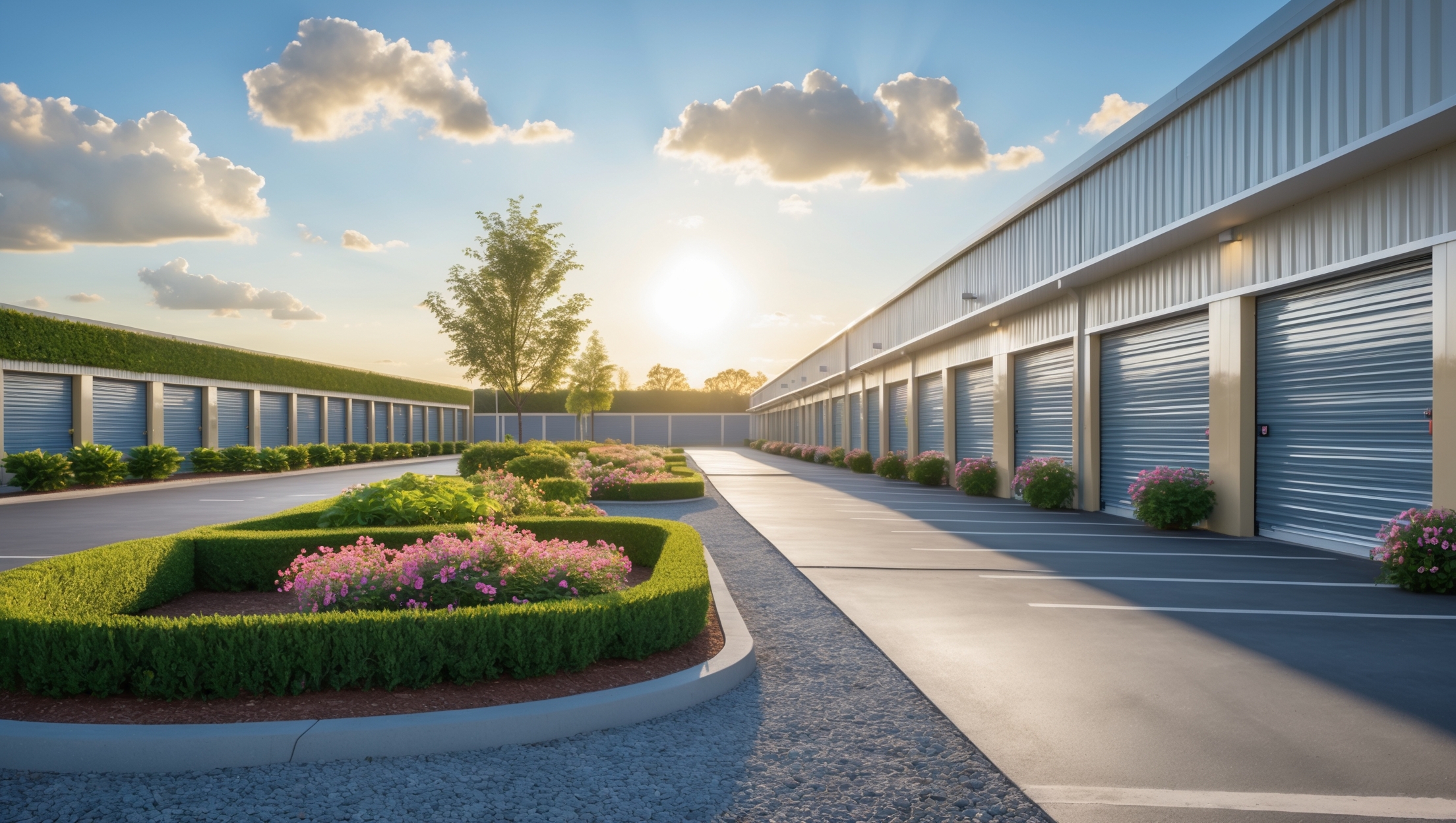
Introduction: Why Landscaping Matters for Storage Facilities
When it comes to storage facilities, first impressions count. The moment a potential customer drives by or pulls into your lot, the exterior appearance of your property sets the tone for their entire experience. While security, accessibility, and pricing are critical factors, curb appeal is often the silent salesperson that draws prospects in—or drives them away. Landscaping is not just about aesthetics; it plays a strategic role in marketing, customer satisfaction, operational efficiency, and even security. Yet, many storage owners and managers overlook this powerful tool, believing that a neat but bland exterior is “good enough.” In today’s competitive market, standing out means presenting a professional, welcoming, and well-maintained appearance from the street to the storage unit door. In this guide, we’ll break down actionable landscaping strategies specifically tailored to storage facilities, covering plant selection, maintenance planning, security integration, cost-saving tips, and features that boost your facility’s appeal and value all year long.
Assessing Your Facility: Landscape Audit Essentials
Step 1: Evaluate Existing Features
Start by walking your entire property, ideally with a notepad or phone for photos. Pay attention to:
- Current plantings: Are they healthy, overgrown, or outdated?
- Hardscapes: Check pathways, curbs, parking areas, and signage visibility.
- Drainage: Look for puddling, erosion, or muddy spots that could indicate issues.
- Lighting: Is the landscape well-lit at night, especially near entrances and walkways?
- Security sightlines: Overgrown shrubs or trees can create hiding spots.
Step 2: Identify Problem Areas
Common trouble spots in storage facility landscaping include:
- Weedy or patchy lawns
- Neglected flower beds
- Untrimmed hedges blocking cameras or signage
- Poorly marked walkways or entrance drives
- Dead or diseased trees/shrubs
Step 3: Set Improvement Priorities
Rank your findings by urgency and impact. Safety hazards and visibility issues come first, followed by cosmetic upgrades that offer the most noticeable improvements for the least cost.
Designing for Curb Appeal and Functionality
Choose Low-Maintenance, High-Impact Plants
Storage facilities benefit from landscaping that looks good year-round with minimal upkeep. Prioritize:
- Native plants: Adapted to your climate, they require less water and resist local pests.
- Evergreens: Provide color and structure even in winter months.
- Drought-tolerant varieties: Reduce irrigation needs and thrive in exposed areas.
- Perennials over annuals: Perennials return each year, lowering replanting costs.
- Ground covers: Fill in bare areas and suppress weeds.
Plan for Four-Season Appeal
Incorporate a mix of plants to ensure your facility looks inviting all year:
- Spring: Flowering bulbs (like daffodils or tulips) create a welcoming pop of color.
- Summer: Ornamental grasses and sturdy shrubs maintain structure and vibrancy.
- Autumn: Trees and shrubs with colorful foliage offer visual interest.
- Winter: Evergreens, red-twig dogwood, and decorative rocks keep the landscape attractive.
Integrate Hardscaping for Durability
Hardscaping elements can enhance both beauty and practicality:
- Gravel or mulch beds: Reduce mowing and weed growth around units.
- Concrete or paver walkways: Clearly mark paths and enhance accessibility.
- Stone borders: Define planting areas and prevent soil erosion.
- Decorative boulders: Add interest without ongoing maintenance.
Security-Boosting Landscaping Strategies
Maintain Clear Sightlines
Well-designed landscaping can deter crime and improve customer safety. Keep shrubs and trees trimmed below window height and at least two feet away from fences and cameras. Avoid dense plantings near entrances or around the facility perimeter.
Use Defensive Planting
Strategically planted thorny or dense shrubs (like holly or barberry) below windows or along vulnerable fences can discourage trespassing without creating hiding spots.
Enhance Lighting with Landscaping
Position low shrubs and ground covers beneath exterior lights to prevent shadows. Use solar-powered accent lights to illuminate walkways, signage, and key landscaped areas after dark.
Cost-Effective Landscaping: Budgeting and ROI
Initial Investment vs. Long-Term Savings
Smart landscaping investments can actually lower operating costs over time. For example, installing native drought-resistant plants and drip irrigation may cost more upfront, but will significantly reduce water bills and maintenance labor.
DIY vs. Professional Services
Many routine tasks—like mulching, planting, and basic trimming—can be handled by staff. However, tree removal, major grading, or irrigation system installation should be left to licensed professionals. Consider hiring a landscape designer for an initial master plan, then implementing projects in phases as budget allows.
Tax Advantages and Value-Add
Landscaping improvements may qualify as capital expenditures, potentially offering tax benefits. A well-landscaped facility also commands higher rents and can boost property value if you ever sell. Track landscaping-related expenses and consult your accountant regarding deductions.
Seasonal Landscaping Checklist for Storage Facilities
Spring
- Inspect irrigation systems for leaks or winter damage
- Prune shrubs and remove dead branches
- Apply pre-emergent weed control
- Refresh mulch in beds and around trees
- Plant new perennials or shrubs as needed
Summer
- Mow lawns regularly and edge walkways
- Monitor for pests and diseases
- Water deeply but infrequently to encourage deep roots
- Deadhead flowers for continued blooms
- Check for trip hazards or overgrowth near high-traffic areas
Autumn
- Rake leaves and clear debris from drains
- Cut back perennials as needed
- Plant bulbs for spring color
- Inspect lighting and replace bulbs before shorter days
Winter
- Remove snow and ice promptly from walkways and entrances
- Protect young trees and shrubs with burlap or mulch
- Check for salt damage along parking areas
- Plan spring upgrades or repairs during downtime
Sustainable Landscaping Practices
Water Conservation
Install drip irrigation or soaker hoses to minimize waste. Opt for xeriscaping—landscaping designed to reduce or eliminate the need for supplemental water—especially in arid regions.
Eco-Friendly Materials
Use recycled rubber mulch, locally sourced stone, or permeable pavers to reduce your facility’s environmental footprint. Compost organic waste from trimmings and use it to enrich planting beds.
Native Wildlife Support
Choose flowering plants that attract pollinators, but avoid berry-producing shrubs that can create messes or attract birds in high-traffic areas. Consider installing birdhouses or bee hotels at the property edge where they won’t interfere with customers.
Landscaping and Marketing: Turning Curb Appeal into Conversions
Signage and Entryways
Frame your facility’s sign with low-growing, colorful plantings to make it stand out. Keep entry drives clear, well-lit, and flanked by tidy beds or decorative planters. Seasonal decorations—like spring flowers or autumn mums—signal that your business is active and well cared for.
Photography for Listings
Use professional-grade photos of your landscaped facility for your website, Google Business Profile, and online ads. Well-composed images of attractive exteriors can dramatically increase click-through rates and rental inquiries.
Customer Retention and Reputation
Customers notice when a business values maintenance and appearance. A clean, green, and inviting property builds trust, encourages repeat rentals, and leads to positive online reviews. When prospects compare multiple facilities, curb appeal can be the deciding factor.
Staff Training and Maintenance Planning
Daily and Weekly Tasks
- Pick up litter and debris
- Check for trip hazards or overgrowth around units and paths
- Empty trash bins and sweep entrances
Monthly and Seasonal Tasks
- Inspect and trim plantings as needed
- Test irrigation and drainage systems
- Review lighting and security camera sightlines
Outsourcing vs. In-House Care
If your facility is large or you lack green-thumbed staff, partner with a reputable landscape maintenance company for seasonal work. For smaller operations, train one or two employees on basic pruning, weed control, and equipment operation. Clear checklists and scheduled walkthroughs help maintain standards.
Landscaping Upgrades: Features That Impress Customers
Decorative Fencing and Gates
Swap plain chain-link fences for vinyl-coated or ornamental metal options. Add climbing plants like ivy or clematis to soften fence lines while maintaining security.
Rain Gardens and Bioswales
Install rain gardens in low-lying areas to manage runoff and add visual interest. Bioswales planted with grasses and flowers can filter pollutants and reduce stormwater issues.
Outdoor Seating and Shade
Provide benches or shaded waiting areas near the office or main entry, using pergolas or shade trees. These features improve customer comfort, especially during busy move-in days.
Decorative Lighting
Use LED path lights, uplighting for trees, or color-changing fixtures to create an inviting nighttime environment. Ensure all lighting is shielded to avoid light pollution or glare for neighbors.
Common Landscaping Mistakes Storage Facilities Should Avoid
- Overplanting near unit doors or drive aisles, leading to encroachment and difficult access
- Choosing high-maintenance species that require frequent pruning or watering
- Neglecting weed control, which can quickly spiral into unsightly beds
- Blocking surveillance cameras or signage with overgrown plants
- Ignoring drainage, resulting in muddy walkways or standing water
- Forgetting to update landscape plans as the facility expands or changes
Conclusion: Landscaping as a Competitive Advantage
Landscaping is a powerful yet often underestimated asset for storage facility owners and managers. Thoughtful exterior design does more than create a pretty picture—it attracts new customers, elevates your brand, and can even improve operational efficiency and security. By investing in the right plantings, maintaining routine care, and integrating sustainable, low-maintenance features, you create a welcoming environment that stands out in a crowded marketplace. Remember: curb appeal is your silent spokesperson, working 24/7 to make a positive impression and drive occupancy rates. Whether you’re upgrading a long-established property or breaking ground on a new site, use landscaping strategically to boost visibility, customer satisfaction, and long-term value. With the actionable tips and checklists above, your storage facility can turn every passerby into a potential renter—and every customer visit into a lasting endorsement of your business.
You mentioned that landscaping can also impact security for storage facilities, especially with sightlines and lighting. Are there specific types of shrubs or trees you would recommend that maintain aesthetics but don’t create hiding spots or block cameras?
For security, it’s best to use low-growing shrubs like boxwoods, junipers, or dwarf hollies, as these maintain a tidy look without creating hiding spots. Ornamental grasses and ground covers can also add greenery while keeping sightlines clear. If you want trees, choose ones with a high canopy, such as crape myrtles or honey locusts, to allow cameras and lights to remain unobstructed.
If I’m starting with neglected flower beds and patchy lawns but need to keep costs low, which improvements should I prioritize first to make the biggest difference in curb appeal without overspending?
Focus first on cleaning up the flower beds by removing weeds, old mulch, and dead plants. Add a fresh layer of mulch, which is affordable and instantly neatens the look. For patchy lawns, mow regularly and reseed the most visible bare spots. Trimming overgrown shrubs and edging walkways can also dramatically improve curb appeal without much expense.
I’m working with a pretty tight budget. When planning upgrades, should I prioritize improving lighting near entrances or focus first on fixing the weedy and patchy lawns? How do I decide what will have the biggest impact on curb appeal and security?
If you have to choose, prioritize lighting near entrances first. Good lighting not only improves security, making your facility feel safer, but it also helps attract customers who visit after dark. However, do basic lawn maintenance as well, like mowing and removing weeds, to avoid looking neglected. Over time, you can invest more in landscaping once the essentials are covered.