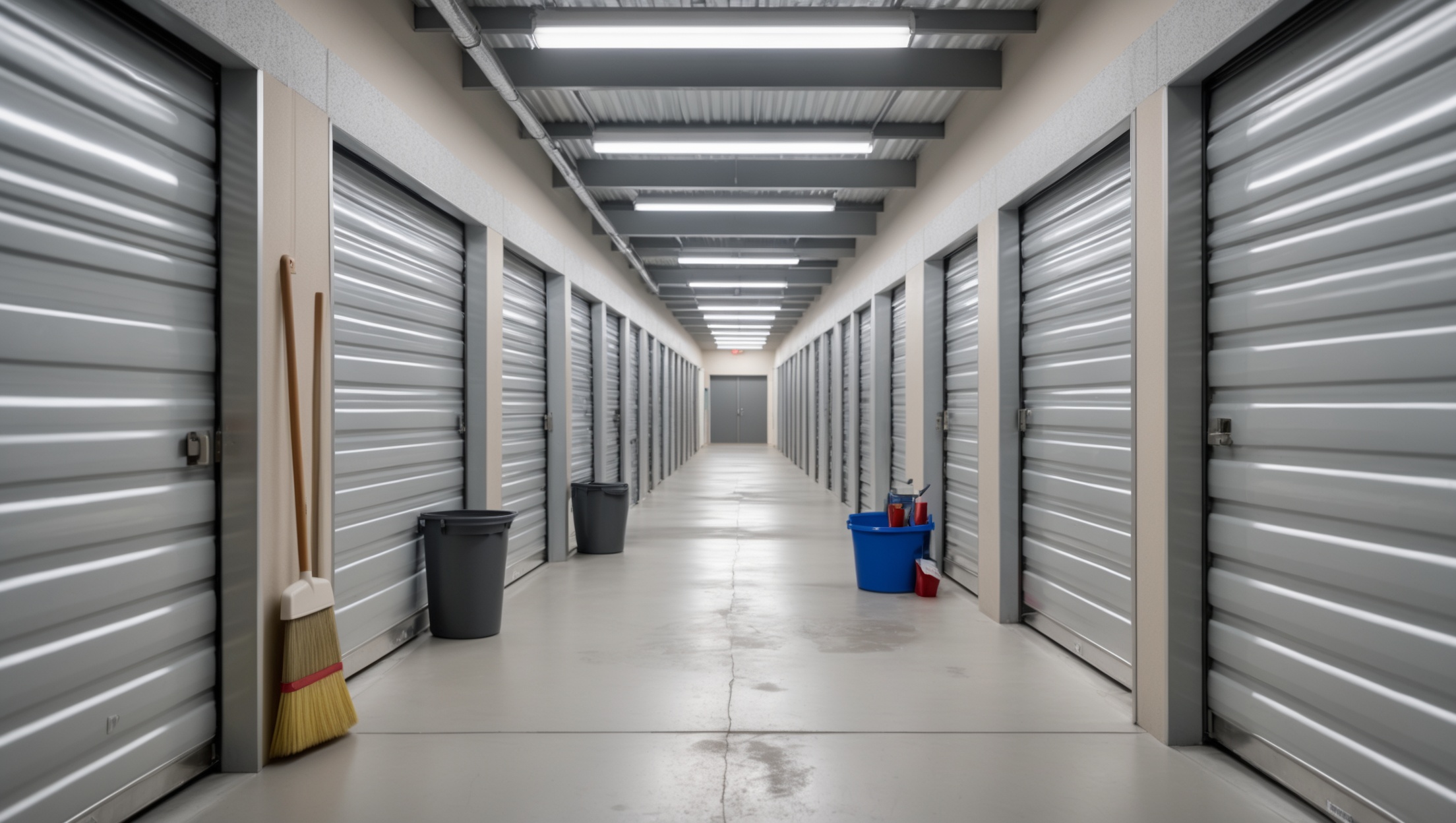
Introduction: Why Monthly Storage Unit Maintenance Matters
Whether you own a storage facility or rent a unit to keep your possessions safe, monthly maintenance is the unsung hero of successful storage. It’s easy to assume that storage units are ‘set it and forget it’ spaces, but neglecting regular upkeep leads to costly repairs, ruined belongings, pest infestations, and even compliance issues down the line. Proactive maintenance—especially on a monthly basis—prevents minor issues from spiraling into major headaches. For facility owners, this means protecting your investment, preserving property value, and maintaining happy, loyal customers. For renters, it means safeguarding the items you care about, from heirlooms to inventory. This guide dives deep into practical, actionable monthly maintenance tasks that deliver real returns—saving you money, time, and stress by heading off problems before they start.
Monthly Maintenance for Facility Owners
1. Visual Inspections: Catch Issues Early
Begin each month with a thorough walk-through of the facility. Inspect all units—occupied and vacant—for signs of damage, leaks, or tampering. Look for:
- Water stains or puddles near doors and corners (indicative of roof or door leaks)
- Rust on doors, latches, and hinges
- Cracks or shifting in concrete floors and walls
- External signs of forced entry or vandalism
- Broken or flickering lights in hallways and outdoor areas
Document issues immediately using a mobile device or inspection checklist, and schedule repairs within 24–48 hours to prevent escalation.
2. Climate Control: Monitor and Calibrate
For facilities with climate-controlled units, monthly calibration of thermostats and hygrometers is essential. Sudden temperature or humidity spikes can damage sensitive items, from electronics to antiques. Steps include:
- Check and record temperature/humidity readings in multiple units
- Test and adjust HVAC settings as needed
- Clean air filters and vents to prevent dust buildup
- Inspect for condensation or mold near air handlers and ducts
Keep a maintenance log for compliance and warranty purposes.
3. Pest Prevention: Stay Ahead of Infestations
Pest problems can escalate rapidly in storage environments. Each month, focus on:
- Inspecting for droppings, shredded materials, or gnaw marks
- Checking bait stations and traps—replace or reposition as needed
- Applying preventative treatments around doors, loading bays, and dumpsters
- Sealing visible gaps and cracks in walls and floors
Work with a licensed pest control provider for quarterly deep treatments, but monthly checks are your first line of defense.
4. Door and Lock Maintenance: Keep Security Tight
Monthly lubrication of roll-up doors and swinging unit doors prevents rust, squeaks, and jamming. Use a silicone spray or graphite powder. For locks:
- Check for signs of tampering or corrosion
- Test keys or digital access on random units
- Replace worn or malfunctioning locks immediately
This not only improves security but ensures customers can access their units without hassle.
5. Cleanliness: The Foundation of Facility Image
Dedicate time each month to deep-cleaning public areas:
- Sweep and mop corridors, loading docks, and elevators
- Empty trash bins and remove debris from common areas
- Pressure-wash exterior walkways and driveways
- Clean windows and entryways for curb appeal
Cleanliness not only attracts tenants but also helps identify underlying issues like leaks or pest entry points.
Monthly Maintenance for Storage Unit Renters
1. Inspect Your Unit: Set a Reminder
Visit your storage unit at least once a month, even if you don’t plan to retrieve items. During your visit:
- Check for signs of moisture, mold, or mildew (sniff the air and inspect boxes)
- Look for pest activity—droppings, nests, or damage to packaging
- Ensure your lock and door are functioning properly
- Verify that your belongings are undisturbed and secure
This proactive step allows you to address problems before they damage your possessions.
2. Rotate and Repack: Prevent Damage
Items stored for months or years can settle, shift, or become exposed to environmental risks. Each month:
- Rotate stacked boxes to prevent crushing at the bottom
- Check and reinforce packing tape or box seams
- Repack fragile items with fresh padding if needed
- Elevate boxes off the floor using pallets to protect against potential flooding
These small steps protect your valuables and make future retrieval easier.
3. Update Inventory: Stay Organized
Maintaining an up-to-date inventory prevents losses and insurance headaches. Each month:
- List any items added or removed
- Document condition with photos
- Store your inventory digitally (cloud or app) for easy access
Share your inventory with your insurance provider to keep your coverage accurate.
4. Check Insurance Coverage: Are You Protected?
Insurance policies and values change over time. Each month:
- Review your policy for lapses or exclusions
- Update coverage if you’ve added high-value items
- Verify insurer contact details and claim procedures
Documenting your unit’s condition with photos during visits also streamlines any future claims process.
5. Address Odors and Air Quality
Stale or musty odors often signal moisture or contamination issues. Each month:
- Air out the unit by opening the door for several minutes
- Use moisture absorbers or silica gel packs
- Place an open box of baking soda or activated charcoal to neutralize odors
Promptly remove any sources of mold, mildew, or spoiled items.
Shared Spaces: Parking, Hallways, and Loading Areas
1. Parking Lot and Driveway Upkeep
Monthly inspections and basic maintenance of parking and driveways prevent accidents and boost facility appeal. Tasks include:
- Checking for potholes, cracks, or uneven surfaces
- Clearing debris, leaves, and trash
- Ensuring clear markings for lanes and parking stalls
- Verifying that lighting is operational for nighttime safety
Prompt repairs reduce liability and customer frustration.
2. Hallway and Common Area Safety
Monthly safety checks should cover:
- Fire extinguisher accessibility and expiration dates
- Clear, illuminated exit signage
- Non-slip mats and handrails in good condition
- Clutter-free walkways for easy movement
Document any hazards and address them immediately to maintain compliance and customer trust.
3. Loading Dock and Elevator Functionality
For facilities with loading docks or elevators:
- Test elevator operation and emergency alarms
- Check dock bumpers, doors, and ramps for wear
- Clean up oil spills or debris to prevent slips
- Verify posted weight limits and usage instructions are visible
Regular attention keeps traffic flowing smoothly and minimizes costly breakdowns.
Tools and Supplies: Your Maintenance Kit
Essential Tools for Facility Owners
- Inspection clipboards or mobile apps
- Flashlights and headlamps
- Multi-bit screwdriver set and adjustable wrench
- Silicone spray lubricant
- Replacement locks and latch hardware
- Heavy-duty broom, mop, and pressure washer
- HVAC filters and cleaning supplies
- First aid kit and PPE (gloves, goggles, masks)
Recommended Supplies for Renters
- Pallets or shelving units
- Moisture absorbers or silica gel packs
- Heavy-duty packing tape and scissors
- Plastic bins or sturdy cardboard boxes
- Inventory notebook or mobile app
- Small lock lubricant
- Portable LED lantern or flashlight
Monthly Maintenance Checklist
For Facility Owners
- Walk-through inspection of all units and exterior
- Climate control system check and filter replacement
- Pest control check and bait/trap refresh
- Door and lock lubrication and testing
- Deep-cleaning of public and exterior areas
- Parking lot and driveway inspection
- Fire safety and lighting check
- Loading dock/elevator functionality test
For Renters
- Unit inspection for moisture, pests, and damage
- Rotate and repack stored items as needed
- Update and back up inventory records
- Review insurance coverage and document contents
- Address odors and refresh air quality
Pro Tips: Avoiding Expensive Mistakes
- Don’t ignore small leaks or drips: Water damage is the top cause of ruined belongings and facility repairs. Even minor moisture warrants immediate investigation.
- Don’t skip documentation: Photos and written logs protect owners and renters if disputes or claims arise.
- Don’t rely solely on annual pest treatments: Monthly checks catch infestations before they spread.
- Don’t use household cleaning chemicals on sensitive surfaces: Always follow manufacturer recommendations for floors, doors, and climate equipment.
- Don’t postpone lock or door repairs: Security lapses can cost far more in lost goods and reputational damage.
Conclusion: The Payoff of Proactive Maintenance
Monthly maintenance is not just busywork—it’s a proven way to save money, minimize hassle, and protect both property and possessions in the moving, packing, and storage world. Facility owners who invest in regular inspections, climate monitoring, pest prevention, and cleanliness consistently see lower repair costs, fewer legal claims, and higher customer satisfaction. Renters who visit, inspect, and organize their units each month are far less likely to suffer losses from water, pests, or theft. Even small actions—repacking boxes, updating inventories, or lubricating a lock—add up to significant peace of mind and financial savings over time.
In an industry where unexpected disasters can strike at any moment, a little prevention is worth much more than a costly cure. By prioritizing these monthly tasks, you ensure that storage remains a safe, efficient, and stress-free solution for everyone involved. Make maintenance a habit, and your storage experience—whether as an owner or a renter—will be smoother, more secure, and more profitable. Start your monthly checklist today, and reap the benefits for years to come.