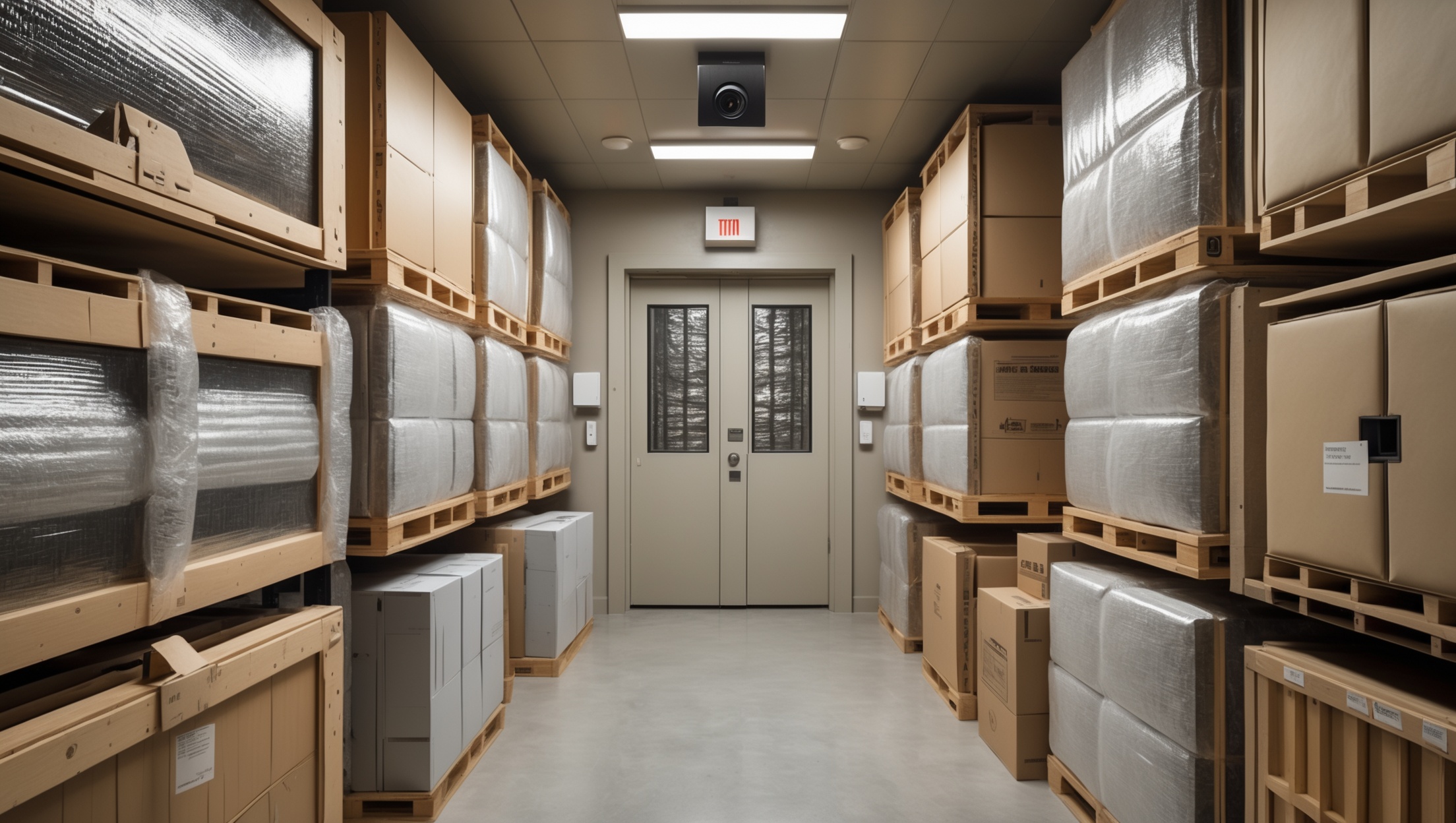
Introduction: The High Stakes of Moving and Storing Art & Collectibles
Relocating or storing valuable artwork and collectibles demands a level of care far beyond ordinary packing. Whether you’re a seasoned collector with a gallery’s worth of paintings or a hobbyist with a handful of prized figurines, the risks are real: scratches, warping, fading, breakage, and even theft. Unlike everyday household goods, art and collectibles often carry not just monetary value, but deep personal and cultural significance. A misstep during packing or storage can result in irreplaceable losses—both financially and emotionally.
This comprehensive guide brings together advanced protection strategies used by museum professionals and expert art movers. We’ll break down the nuances of selecting the right packing materials, controlling climate and humidity, creating custom supports, and ensuring security in transit and storage. If you want your paintings, sculptures, rare books, or memorabilia to arrive at their next destination in pristine condition—or remain perfectly preserved in storage for years—this post will give you the actionable steps and insider tips you need.
Understanding the Unique Risks to Artwork and Collectibles
Material Sensitivity
Art and collectibles are often made from materials that react strongly to their environment. Canvas can stretch or warp, paper can yellow, wood can crack, and metals can corrode. Even well-crafted collectibles—like porcelain, vinyl, or resin figures—are vulnerable to temperature swings and physical shock.
Environmental Factors
- Temperature fluctuations: Can cause expansion, contraction, and permanent deformation.
- Humidity: High humidity leads to mold, while low humidity can dry and crack organic materials.
- Light exposure: Fades pigments and damages delicate surfaces.
Physical Hazards
- Vibration and impact: Vibrations during transit can loosen frames or cause micro-cracks.
- Improper stacking: Heavy boxes atop delicate items spell disaster.
- Handling errors: Mishandling is a leading cause of accidental damage.
Advanced Packing Materials: What the Pros Use
Archival-Grade Supplies
Investing in museum-quality packing materials is non-negotiable for valuable pieces. These materials are acid-free, lignin-free, and chemically stable, meaning they won’t degrade over time or react with your items.
- Acid-free tissue paper: Essential for wrapping paintings, prints, and paper-based collectibles.
- Glassine: A moisture-resistant, pH-neutral paper ideal for protecting surfaces from fingerprints and abrasion.
- Polyethylene foam sheets: Lightweight, shock-absorbing, and non-abrasive for wrapping sculptures and delicate frames.
- Custom-cut foam or Ethafoam: Used for creating fitted supports inside boxes or crates.
Specialty Boxes and Crates
- Telescoping picture boxes: Adjustable for various frame sizes and provide extra corner protection.
- Double- or triple-wall corrugated boxes: Essential for heavy or multi-piece collectibles.
- Custom wooden crates: For particularly large, heavy, or high-value items; built to specification for maximum safety.
Protective Barriers
- Bubble wrap (large-cell for cushioning, small-cell for surface protection): Avoid direct contact with surfaces; use as an outer layer.
- Stretch wrap: Secures wrapped items and keeps dust out, but never apply directly to painted or delicate surfaces.
- Corner protectors: Foam or cardboard guards for framed art and mirrors.
Step-by-Step Packing Strategies for Different Types of Art & Collectibles
Packing Paintings and Framed Art
- Lay the piece face-down on a clean, flat surface lined with acid-free tissue or glassine.
- Cover the entire surface with glassine, then a layer of bubble wrap (bubbles facing outward).
- Use foam corner protectors and secure with painter’s tape (never tape directly to the frame or artwork).
- Slide into a telescoping picture box or custom crate, ensuring a snug fit to prevent movement.
- Fill any gaps with foam sheets or crumpled acid-free paper—not newspaper, as ink can transfer.
Packing Sculptures and Three-Dimensional Objects
- Wrap all protruding parts (arms, delicate features) in foam or bubble wrap, securing with soft twine.
- Use custom-cut foam inserts or build a cradle inside the box to immobilize the piece.
- Choose a box or crate at least 2 inches larger on all sides to allow for padding.
- Label as “Fragile” and indicate top orientation.
Packing Collectible Figurines and Models
- Disassemble removable parts if possible and pack separately.
- Wrap each part in acid-free tissue, then bubble wrap, and secure with painter’s tape.
- Place in a sturdy, multi-sectioned box with foam dividers to prevent contact between items.
- Fill empty spaces with packing peanuts or more foam sheets.
Packing Rare Books and Paper Collectibles
- Wrap each book or paper item in acid-free tissue paper.
- Place upright in archival storage boxes, never laying flat in stacks over 6 inches high.
- Add silica gel packets to control humidity inside the box.
- Store away from sources of light and direct airflow.
Climate Control: The Invisible Guardian
Why Climate Matters
Fluctuating temperature and humidity are silent killers for art and collectibles. Mold, warping, cracking, and fading often go unnoticed until it’s too late. Professional storage facilities should offer true climate control—not just heating or cooling, but regulated humidity (ideally 45-55%).
What to Look for in Climate-Controlled Storage
- Consistent temperature: 65–75°F (18–24°C) is ideal for most items.
- Humidity monitoring: Ask for records or invest in your own hygrometer.
- Air filtration: HEPA filtration removes airborne contaminants that can settle on surfaces.
- 24/7 monitoring: Reputable facilities have alerts for temperature or humidity drift.
DIY Climate Control in Home Storage
- Use dehumidifiers or portable climate control units in storage rooms.
- Install a hygrometer and thermometer and check regularly.
- Keep items off the floor using pallets or shelving to avoid condensation risks.
- Seal windows and doors to minimize external climate influence.
Security and Inventory Protocols
Inventory Management
- Photograph each item from multiple angles before packing.
- Maintain a digital spreadsheet or use inventory management apps noting condition, dimensions, and packing details.
- Number boxes and crates, cross-referencing with your inventory list.
Security Measures
- Choose a storage facility with surveillance, gated access, and individually alarmed units.
- Use high-security disc locks on storage units.
- If storing at home, use a locked, windowless interior room and consider a security system or cameras.
Professional Help: When to Call in the Experts
Signs You Need Specialized Movers or Packers
- Your artwork is extremely large, heavy, or fragile.
- Items are valued above your insurance deductible.
- Pieces require climate-controlled vehicles or custom crating.
- You lack confidence in your ability to pack safely.
What to Expect from Professional Services
- On-site assessment and custom packing plan.
- High-grade materials and custom crate fabrication.
- Specialized transport with air-ride suspension and climate control.
- Detailed condition reports and insurance documentation.
Insurance and Documentation
Securing Appropriate Coverage
Standard moving or storage insurance often excludes high-value art and collectibles, or sets low coverage limits. Work with a provider specializing in fine art or collectibles insurance. Provide documentation (appraisals, receipts, provenance) and ensure your policy covers transport, storage, and handling.
Creating a Paper Trail
- Keep copies of all documentation offsite or in cloud storage.
- Update appraisals every 3–5 years for significant pieces.
- Photograph condition before and after any move or prolonged storage.
Long-Term Storage Best Practices
Routine Inspections
- Inspect stored items every 3–6 months for signs of mold, pests, or climate issues.
- Check for shifting, settling, or packaging degradation.
- Update your inventory and photograph any changes.
Repacking and Rotation
- Repack items if materials show signs of wear or contamination.
- Rotate items out of storage periodically, if possible, to assess condition and air them out.
Light and Pest Management
- Store in darkened spaces; use blackout curtains or storage covers.
- Deploy pest traps or use professional pest management—but avoid sprays near sensitive items.
Conclusion: Preserving Value for the Next Generation
Moving and storing artwork and collectibles isn’t just about getting from point A to point B—it’s a matter of long-term preservation, protecting both investment and legacy. Every stage, from selecting the right archival wraps to ensuring robust climate control, contributes to the future condition of your most treasured pieces. Skipping steps or resorting to shortcuts can lead to irreversible loss, but with the advanced strategies outlined above, you have the tools to safeguard even the most delicate and valuable items.
Remember, the upfront investment in proper materials and secure storage pays off by preventing costly restoration or heartbreaking loss. Trust your instincts—if a piece feels too important for DIY, professional art movers and packers are more accessible than ever. Keep your documentation and insurance current, and treat your collection to regular checkups, just as you would any prized possession. With diligent preparation and smart storage habits, your artwork and collectibles can be enjoyed for generations to come, whether on display or securely tucked away for the future.