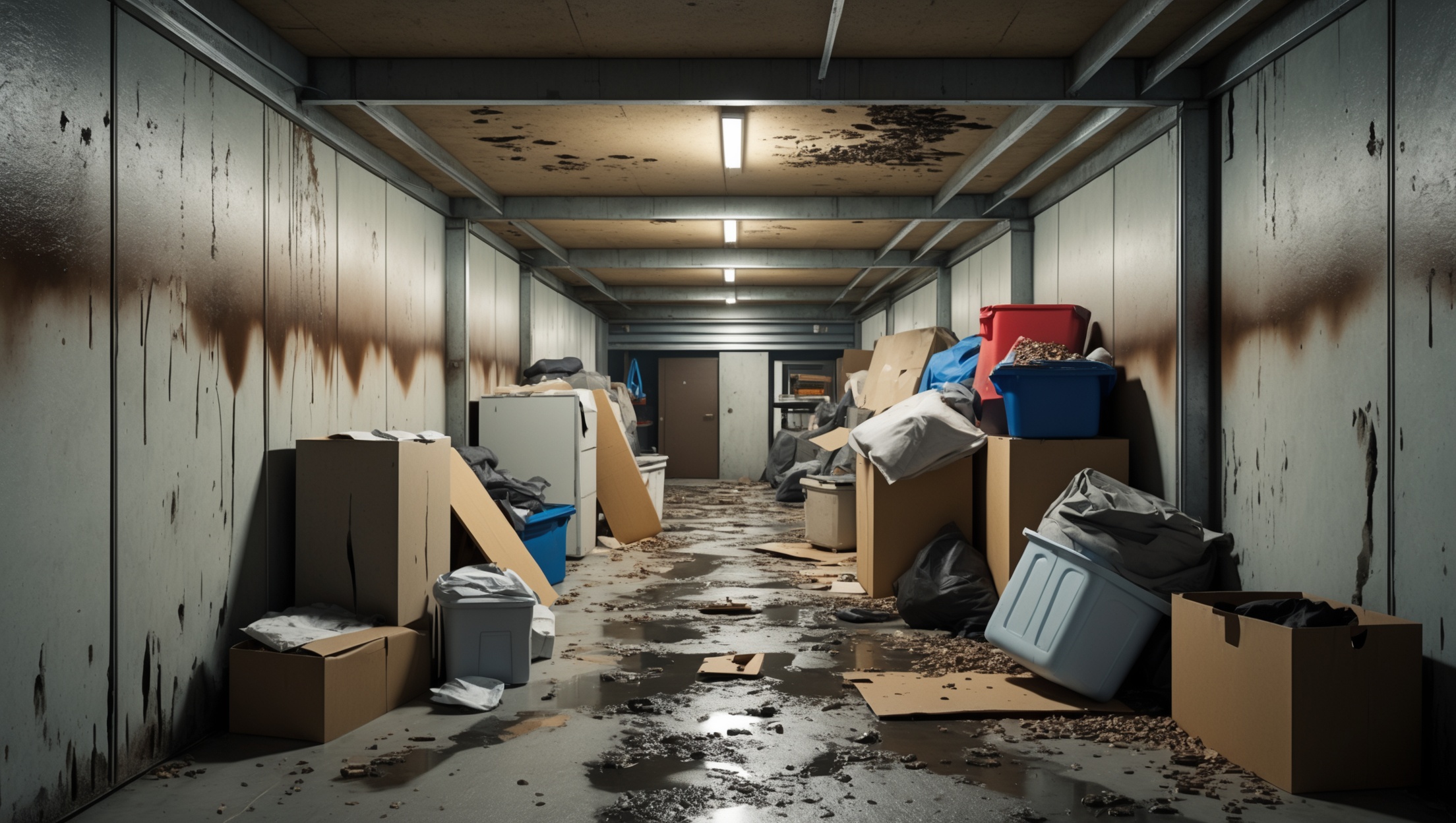
Introduction: The Unseen Risks Lurking in Storage Units
Self-storage units are designed to keep your belongings secure and out of harm’s way. However, beneath the surface of even the cleanest, most reputable facilities, hidden hazards can threaten your possessions—and your peace of mind. Whether you’re using a storage unit for a temporary move, downsizing, or long-term keepsakes, unaddressed risks such as water intrusion, pest infestations, chemical reactions, and improper stacking can cause significant damage or loss. Many renters make the mistake of assuming that a locked, climate-controlled space is trouble-free, only to discover issues months later when it’s too late to prevent costly consequences.
This comprehensive guide explores the most common—and often overlooked—hazards found in storage units. We’ll break down each risk, explain why it matters, and provide practical, actionable steps you can take to protect your belongings. From identifying early warning signs to choosing the right packing materials and monitoring your unit over time, you’ll learn the strategies seasoned storage pros use to avoid unpleasant surprises. Whether you’re a first-time renter or a storage veteran, understanding these hazards is essential for safeguarding your valuables and maximizing the value of your investment.
Water and Moisture: The Silent Destroyers
Why Water Is a Major Threat
Water is the enemy of almost everything kept in storage. Even minor leaks or ambient humidity can lead to mold, mildew, warped wood, rust, and irreparable damage to paper goods and electronics. The risk is especially high in regions with heavy rainfall, snowmelt, or older facilities with aging roofs and foundations.
Common Sources of Water Intrusion
- Roof leaks: Damaged or poorly maintained roofing can let rainwater drip into units.
- Condensation: Temperature fluctuations create condensation, especially in uninsulated or non-climate-controlled spaces.
- Flooding: Poor site drainage or heavy weather events can cause water to seep in at floor level.
- Plumbing leaks: Nearby pipes or sprinkler systems may burst or drip unnoticed over time.
Prevention and Detection Strategies
- Inspect before you rent: Check for water stains, musty odors, and visible mold. Look at the ceiling, corners, and floor edges.
- Choose elevated units: Ground-level units are more prone to flooding. If possible, select an upper-level unit or one on a slope.
- Use pallets and shelving: Keep items off the ground to prevent contact with any water that may seep in.
- Invest in moisture absorbers: Products like silica gel packs, DampRid, or dehumidifiers can help control humidity inside your unit.
- Visit regularly: Check your unit after major storms or during wet seasons.
Pests: Tiny Invaders with Big Consequences
Real Risks from Rodents and Insects
Rodents, insects, and even birds can find their way into storage units, attracted by warmth, darkness, and the scent of food or cardboard. Mice and rats chew through boxes, wires, and fabric, while insects like silverfish and cockroaches can ruin paper, clothing, and upholstery. Pests also create unsanitary conditions and may spread disease.
Warning Signs of Infestation
- Droppings or urine stains, especially near walls or behind boxes
- Gnaw marks on wood, plastic, or cardboard
- Shredded material used for nesting
- Dead insects, webs, or insect casings
- Unpleasant, musky odors
How to Prevent and Address Pest Problems
- Never store food: Even sealed snacks can attract pests. Double-check boxes for crumbs or spills before storing.
- Use plastic bins: Rodents and bugs have a tougher time penetrating sealed, hard containers compared to cardboard.
- Seal gaps: Inspect the unit’s perimeter for gaps under doors or holes in walls. Use weather stripping or request repairs if needed.
- Elevate and space out: Keeping items off the ground and away from walls makes it harder for pests to nest and easier for you to spot problems.
- Use pest deterrents: Scented deterrents (like peppermint oil for rodents) or electronic repellents can provide an extra layer of protection.
- Monitor regularly: Visit your unit and inspect for fresh signs of pest activity every few months.
Chemical Reactions: Hidden Dangers from Everyday Items
Why Ordinary Items Can Become Hazardous
Many people unwittingly store items that can react with each other—or with their environment—causing fires, toxic fumes, or property damage. Paint, cleaners, batteries, and even some plastics can degrade or combust under certain conditions.
High-Risk Items to Watch Out For
- Paints, solvents, and cleaning chemicals
- Batteries (especially lithium-ion and car batteries)
- Propane tanks, gasoline, or other fuels
- Aerosol cans
- Fertilizers and pool chemicals
Best Practices for Safe Storage
- Know what’s prohibited: Most storage facilities ban flammables, explosives, and hazardous materials. Read your agreement closely.
- Dispose of or donate chemicals: Never store anything you wouldn’t want to leak or react in a closed space.
- Remove batteries: Take batteries out of electronics and store them at home, especially during extreme temperatures.
- Keep an inventory: List all items in your unit and review for hidden hazards (e.g., forgotten cleaning products or battery-powered tools).
Improper Stacking and Overloading: Preventing Collapses and Damage
The Risks of Poor Organization
Piling items haphazardly or exceeding weight limits can lead to collapses, crushing fragile items, or even causing injury when opening the unit. Heavy boxes on top of lighter ones, unsecured shelving, and overloaded furniture all increase the risk of damage.
Safe Stacking Strategies
- Heaviest items on the bottom: Always place the sturdiest, heaviest boxes and furniture on the floor.
- Use shelves for fragile goods: Shelving units keep breakables and electronics protected and accessible.
- Stack evenly: Avoid leaning towers; distribute weight so stacks are stable and won’t topple if nudged.
- Avoid over-packing: Don’t exceed the load limits of shelves or the total weight advised by the facility.
- Label and map: Mark box contents and create a quick sketch of where things are for easy access and safe removals.
Temperature Extremes: How Heat and Cold Cause Damage
What’s at Risk from Temperature Swings?
Not all storage units are climate-controlled. Fluctuating temperatures can warp wood, crack plastics, ruin electronics, and degrade fabrics and artwork. Even in mild climates, a metal unit can become an oven in summer or a freezer in winter.
Identifying Sensitive Items
- Electronics and batteries
- Musical instruments
- Artwork and photographs
- Leather and wooden furniture
- Wine, candles, and perishable goods
How to Minimize Temperature Risks
- Opt for climate control: For valuable or temperature-sensitive items, climate-controlled units are worth the investment.
- Use insulation wraps: Wrap items in thermal blankets or bubble wrap to buffer against rapid temperature changes.
- Don’t store perishables: Avoid storing anything that could melt, freeze, or spoil.
- Check local climate: Ask the facility manager about past temperature extremes and if they’ve had related incidents.
Security Gaps: Beyond Locks and Cameras
Unseen Security Weaknesses
While most facilities advertise robust security, weak points such as poor lighting, broken fences, or malfunctioning gates can leave your unit vulnerable to theft or vandalism. Inside jobs and tailgating (unauthorized entry by following another customer) are also risks.
How to Assess and Improve Security
- Demand a site tour: Inspect lighting, fencing, cameras, and entry systems before signing a contract.
- Use high-quality locks: Disc locks or cylinder locks are harder to cut than standard padlocks.
- Ask about access logs: Facilities with digital entry logs can track who enters and exits.
- Report suspicious activity: Notify management if you see broken lights, gates left open, or unknown individuals loitering.
- Insure your items: Even with precautions, theft can occur—ensure you have proper insurance coverage.
Neglected Maintenance: When Facility Issues Become Your Problem
How Poor Facility Upkeep Impacts Your Storage
Leaky roofs, broken doors, malfunctioning ventilation systems, and pest issues often result from deferred maintenance. While reputable operators address problems quickly, some cut corners, passing risks onto renters.
What to Look for Before Renting
- Cleanliness of grounds and hallways
- Functioning lights and security systems
- No signs of standing water or disrepair
- Responsive management and clear maintenance schedules
How to Hold Facilities Accountable
- Document everything: Take photos of your unit at move-in and after any incident.
- Communicate in writing: Report issues by email or in writing so there’s a record.
- Know your rights: Review your lease for maintenance responsibilities and escalation procedures.
Fire Hazards: Prevention and Emergency Preparedness
Why Fires Are a Growing Concern
Storage unit fires can start from electrical faults, flammable materials, or neighboring units storing prohibited items. Once started, fires often spread quickly in densely packed spaces, destroying multiple units and causing total loss.
Fire Safety Best Practices
- Store only non-flammable goods: Never store gasoline, propane, fireworks, or other combustibles.
- Check for smoke detectors: Ask if units and hallways have working smoke or heat detectors.
- Use surge protectors: If your unit has electricity, plug devices into surge protectors, not directly into outlets.
- Keep aisles clear: Allow access for firefighters and reduce fuel for flames by not overcrowding your unit.
- Understand emergency access: Know the facility’s fire evacuation routes and procedures.
Proactive Monitoring: Staying Ahead of Problems
Smart Habits for Ongoing Protection
- Regular inspections: Visit at least quarterly, or after severe weather, to spot developing issues early.
- Update your inventory: Track what you store and rotate items that need periodic attention (like electronics or important documents).
- Use remote sensors: Consider battery-powered humidity, temperature, or motion sensors for long-term peace of mind.
- Keep communication open: Maintain a good relationship with facility staff, so you’re alerted to any incidents or maintenance work.
Conclusion: Safeguarding Your Belongings Starts with Awareness
While storage units offer a safe haven for your possessions, hidden hazards can undermine your investment if you’re not vigilant. Water, pests, chemical reactions, improper stacking, temperature extremes, and security lapses are all manageable risks—provided you know what to look for and how to prevent them. By taking a proactive approach, from your initial site inspection to ongoing monitoring, you can dramatically reduce the chances of damage, loss, or unpleasant surprises.
Think of your storage unit as an extension of your home: it deserves the same care, planning, and attention to detail. Choose your facility wisely, follow best practices for packing and organization, and don’t hesitate to ask tough questions about maintenance and security. Remember, most costly storage disasters can be averted with a little foresight and regular involvement.
If you’re storing valuables or irreplaceable items, invest in climate control, insurance, and periodic check-ins. For business owners and frequent movers, developing a storage checklist and staying informed about common hazards is key to hassle-free storage. Ultimately, the time and effort you spend upfront will pay off by keeping your belongings safe, your mind at ease, and your move or life transition as smooth as possible.
Stay proactive, stay informed, and your storage experience will be secure for years to come.