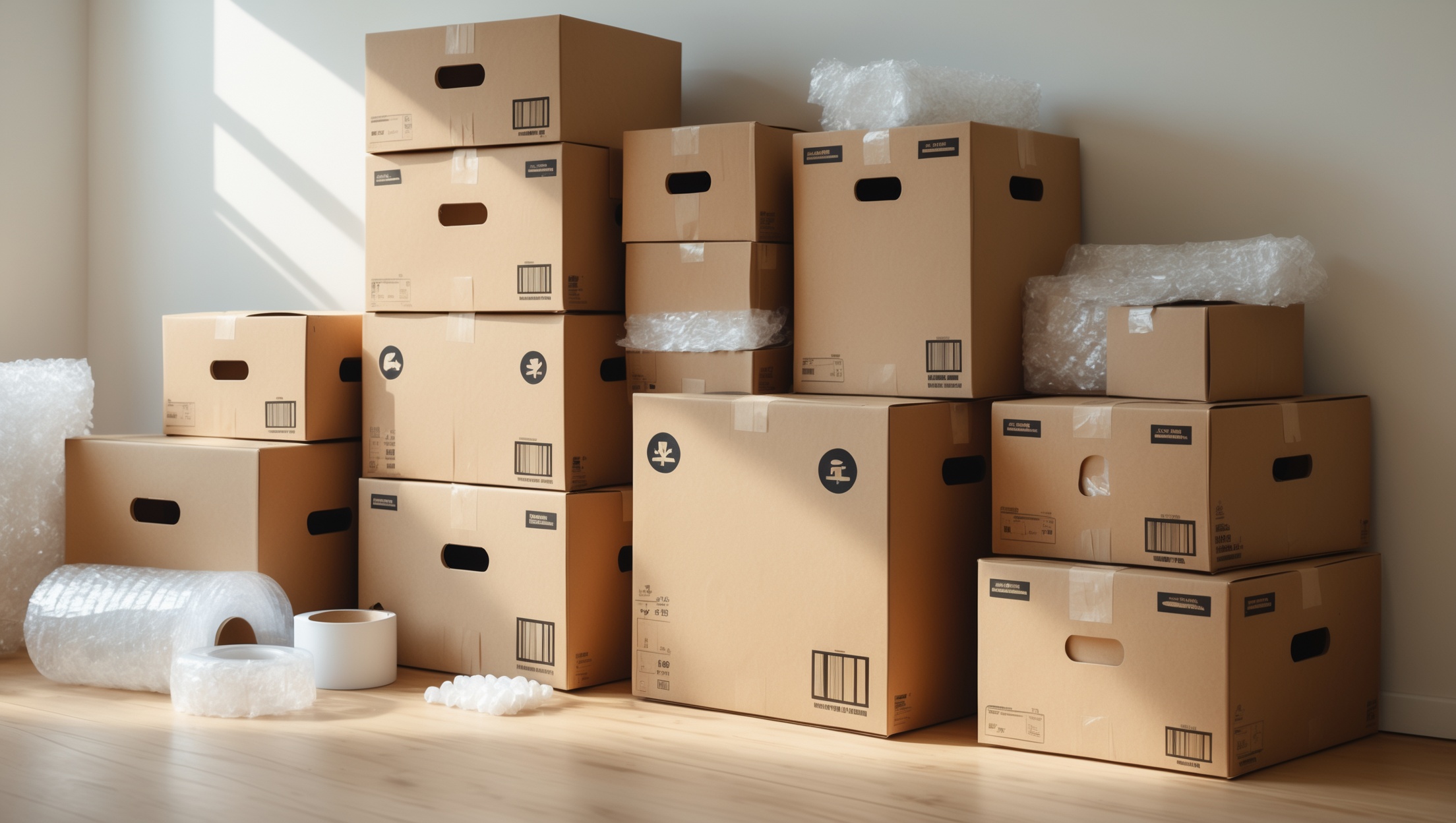
Introduction: Why Packing Fragile Items Is a Make-or-Break Step
Packing up fragile belongings for a move or long-term storage seems simple—until you open a box at your new home or facility and discover broken dishes, shattered glassware, or crushed collectibles. For first-timers, it’s easy to underestimate the risks and overestimate the protection offered by a standard cardboard box. Glass, ceramics, electronics, artwork, and heirlooms are all at high risk during transit or while sitting in a storage unit. Even professional movers regularly see irreplaceable items ruined due to overlooked steps or the wrong materials. The good news? Nearly all damage is preventable with the right approach and attention to detail. This guide will walk you through the most common beginner mistakes when packing fragile items for moving and storage—and provide practical strategies to help ensure your valuables arrive intact. Whether you’re a DIY mover, hiring professionals, or simply reorganizing your storage unit, these tips will help you avoid costly heartbreak and keep your prized possessions safe.
Understanding Fragility: What Needs Special Care?
Knowing what counts as “fragile” is the first step to effective packing. Obvious items like glassware, porcelain, and mirrors need careful handling, but so do electronics, certain plastics, antique wood pieces, musical instruments, and artwork. Even books and old documents are at risk from bending, moisture, or pressure. Evaluate each item’s material, sentimental value, and replacement cost. When in doubt, treat it as fragile.
Top Beginner Mistakes—and How to Avoid Them
1. Using the Wrong Packing Materials
- Thin or Reused Boxes: Old boxes lose strength, especially if they’ve been exposed to moisture or previous use. Always choose sturdy, double-walled moving boxes for fragile items.
- Insufficient Padding: Newspaper alone won’t protect against impacts. Use bubble wrap, packing peanuts, foam sheets, or custom inserts for maximum shock absorption.
- Improper Tape: Masking or painter’s tape isn’t strong enough for box seams. Use high-quality packing tape, and make sure all seams are sealed.
2. Overpacking or Underpacking Boxes
- Overloading: Cramming too many heavy items together increases the risk of breakage and makes boxes hard to lift safely.
- Underfilling: Empty spaces allow items to shift and collide. Fill gaps with soft materials like crumpled paper or foam peanuts to prevent movement.
3. Ignoring Item-Specific Needs
- Stacking Plates Flat: Plates should be packed vertically, like records, with padding between each one and around the edges.
- No Anti-Static Protection for Electronics: Wrap electronics in anti-static bubble wrap and remove batteries to prevent corrosion or leaks.
- Forgetting to Disassemble: Take apart lamp shades, remove furniture legs, or separate glass shelves to minimize breakage risk.
4. Skipping Labels and Instructions
- No Fragile or This Side Up Labels: Unmarked boxes are more likely to be mishandled. Always use clear labels in multiple locations.
- No Inventory List: Keep a detailed list of what’s in each box and any special handling notes, especially for valuable or delicate items.
5. Failing to Plan for Climate and Storage Conditions
- Ignoring Humidity: Certain materials warp, stick, or mold in damp conditions. If storing, consider desiccant packs or climate-controlled units.
- Exposing to Temperature Swings: Electronics, artwork, and musical instruments require stable temperatures to prevent warping or cracking.
Step-by-Step: How to Pack Fragile Items the Right Way
Step 1: Gather the Proper Supplies
- Double-walled moving boxes in various sizes
- Bubble wrap (regular and anti-static)
- Packing paper (unprinted)
- Packing peanuts or foam inserts
- High-quality packing tape and dispenser
- Permanent markers and pre-printed “Fragile”/“This Side Up” labels
- Scissors, utility knife
- Desiccant packs (for humidity-sensitive items)
Step 2: Prepare Boxes for Maximum Protection
- Reinforce the bottom seam of each box with two or three strips of tape.
- Line the bottom with at least two inches of crumpled packing paper or foam peanuts.
Step 3: Wrap Each Item Individually
- For dishes and glassware, wrap each piece in packing paper, then a layer of bubble wrap.
- For electronics, remove batteries and cords; wrap devices in anti-static bubble wrap.
- For artwork and mirrors, use corner protectors and wrap in several layers of bubble wrap, then cardboard sheets.
- For collectibles, use custom foam inserts if possible.
Step 4: Pack Items Strategically
- Heavier items go on the bottom; lighter, more delicate ones on top.
- Pack plates vertically; fill gaps between them with foam sheets.
- Do not mix fragile and heavy, non-fragile items in the same box.
- Fill all empty spaces with crumpled paper, bubble wrap, or peanuts.
Step 5: Seal and Label Boxes
- Use two strips of tape to securely close the top seam.
- Label each side with “Fragile” and “This Side Up.”
- Number each box and maintain an inventory list.
Special Considerations for Long-Term Storage
Climate Control
If storing items for more than a few weeks, invest in a climate-controlled storage unit for electronics, artwork, musical instruments, and anything susceptible to mold or warping. For sensitive items, include silica gel packs to absorb excess moisture.
Elevating Boxes Off the Floor
Place boxes on wooden pallets or shelves to avoid water damage from potential leaks or condensation. This also improves air circulation around your boxes.
Periodic Checks
If possible, inspect your storage unit periodically. Look for signs of crushed boxes, pests, or moisture and address problems immediately.
Common Myths About Packing Fragile Items—Debunked
- “Bubble wrap is enough on its own.” Not true; bubble wrap should always be paired with sturdy boxes and proper fillers.
- “Newspaper is a good packing material.” It can leave ink stains and offers little cushioning compared to specialized materials.
- “All cardboard boxes are the same.” Double-walled boxes provide far better protection for fragile loads.
- “Labeling isn’t necessary if I’m careful.” Labels communicate to everyone handling your items—not just you.
Pro Tips from Moving and Storage Experts
- Consider purchasing specialty boxes (for dishes, glassware, or artwork) for maximum protection.
- Take photos of valuable items before packing for insurance purposes and to document their condition.
- Never stack heavy boxes on top of fragile ones, even in storage.
- When loading a moving truck, place fragile boxes last and secure them tightly to prevent shifting in transit.
- If you’re hiring movers, point out which boxes contain the most delicate items and include handling instructions.
Insurance and Protection for Fragile Items
Even with the best packing, accidents can happen. Check your homeowner’s/renter’s insurance policy to see what’s covered during a move or while in storage. Some moving companies offer additional valuation coverage or separate insurance for high-value items. Always ask for details, keep receipts, and document your packing process for claims.
Conclusion: Pack Smart, Store Confidently
Packing fragile items isn’t just about using more bubble wrap—it’s a systematic process that demands the right materials, techniques, and attention to detail. By avoiding beginner mistakes like using weak boxes, inadequate padding, and poor labeling, you’ll dramatically reduce the risk of breakage. Remember to consider each item’s unique needs and the conditions it will face during transit and storage. Investing in climate control, conducting periodic checks, and leveraging insurance options add further layers of security for your valuables.
Whether you’re a first-time mover or simply reorganizing your storage unit, a little extra care at the packing stage pays big dividends down the road. The peace of mind that comes from knowing your treasured glassware, electronics, and collectibles are safe is worth every minute you spend packing them right. Use these expert tips and strategies to ensure your fragile possessions arrive intact—and enjoy a smooth, worry-free moving or storage experience.
In the end, the difference between heartbreak and relief often comes down to the smallest details. Don’t leave your fragile items’ fate to chance. Take the time to pack smart, and you’ll thank yourself (and so will your belongings) when it’s time to unpack.