Introduction: Why Moving Day Safety Matters More Than You Think
Moving day is a high-stakes event that combines physical exertion, time pressure, and logistical complexity. Amid the excitement and stress, safety can easily be overlooked—yet it’s the single most important factor that determines whether your move ends with relief or regret. Every year, thousands of people suffer preventable injuries—sprains, strains, cuts, falls, and even broken bones—during the moving process. Damaged belongings and property accidents are common, too, often resulting in unexpected expenses and disputes. But it doesn’t have to be this way. With proper planning, the right equipment, and a clear safety checklist, you can drastically reduce risks for yourself, your helpers, and your property. This comprehensive guide will walk you through a moving day safety checklist designed by experts. You’ll learn practical strategies for safe lifting, loading, and storing—arming you with the knowledge to protect your health, your belongings, and your peace of mind. Whether you’re a DIY mover or overseeing professionals, these tips will help ensure your move is smooth, efficient, and injury-free.
Pre-Move Planning: Setting Up for a Safe Day
Assessing Your Space and Route
Before boxes are lifted or furniture is shifted, evaluate your entire moving environment. Walk through your home and the pathway to the moving vehicle:
- Clear Obstacles: Remove rugs, cords, shoes, and clutter from walkways and staircases.
- Measure Doorways and Hallways: Ensure large items fit through without forcing, to avoid jams and pinched fingers.
- Plan Loading Zones: Reserve curbside space if possible, and make sure driveways or access paths are unobstructed.
Weather Considerations
Check the forecast for rain, snow, or extreme heat. Each condition introduces unique hazards:
- Rain: Prepare tarps to cover items and lay down non-slip mats.
- Snow/Ice: Salt walkways and have shovels handy.
- Heat: Schedule strenuous work for cooler hours and have cold water available.
Assembling the Right Team
Choose helpers who are physically able and brief them on your safety expectations. If hiring movers, confirm they have proper training and insurance coverage.
Personal Safety: Gear and Preparation
Dress for Safety
- Footwear: Wear sturdy, closed-toe shoes with good traction—no sandals or flip-flops.
- Gloves: Use work gloves for grip and hand protection.
- Comfortable Clothing: Avoid loose garments that could catch on furniture or boxes.
Stretch and Hydrate
Moving is physically demanding. Spend five minutes stretching your back, legs, and arms before you start. Keep water bottles accessible and take hydration breaks every hour.
Safe Lifting Techniques: Protecting Your Back and Limbs
Plan Each Lift
Before lifting, decide where the item is going and clear the path. Test the weight—if it feels too heavy, get help or use a dolly.
Lifting Fundamentals
- Bend your knees, not your waist. Squat to pick up items, keeping your back straight.
- Keep the load close to your body and use both hands.
- Avoid twisting. Turn your whole body, not just your torso, when changing direction.
- Lift smoothly. Don’t jerk or use sudden movements.
- Communicate with partners. Use clear countdowns when lifting together.
Know When to Use Equipment
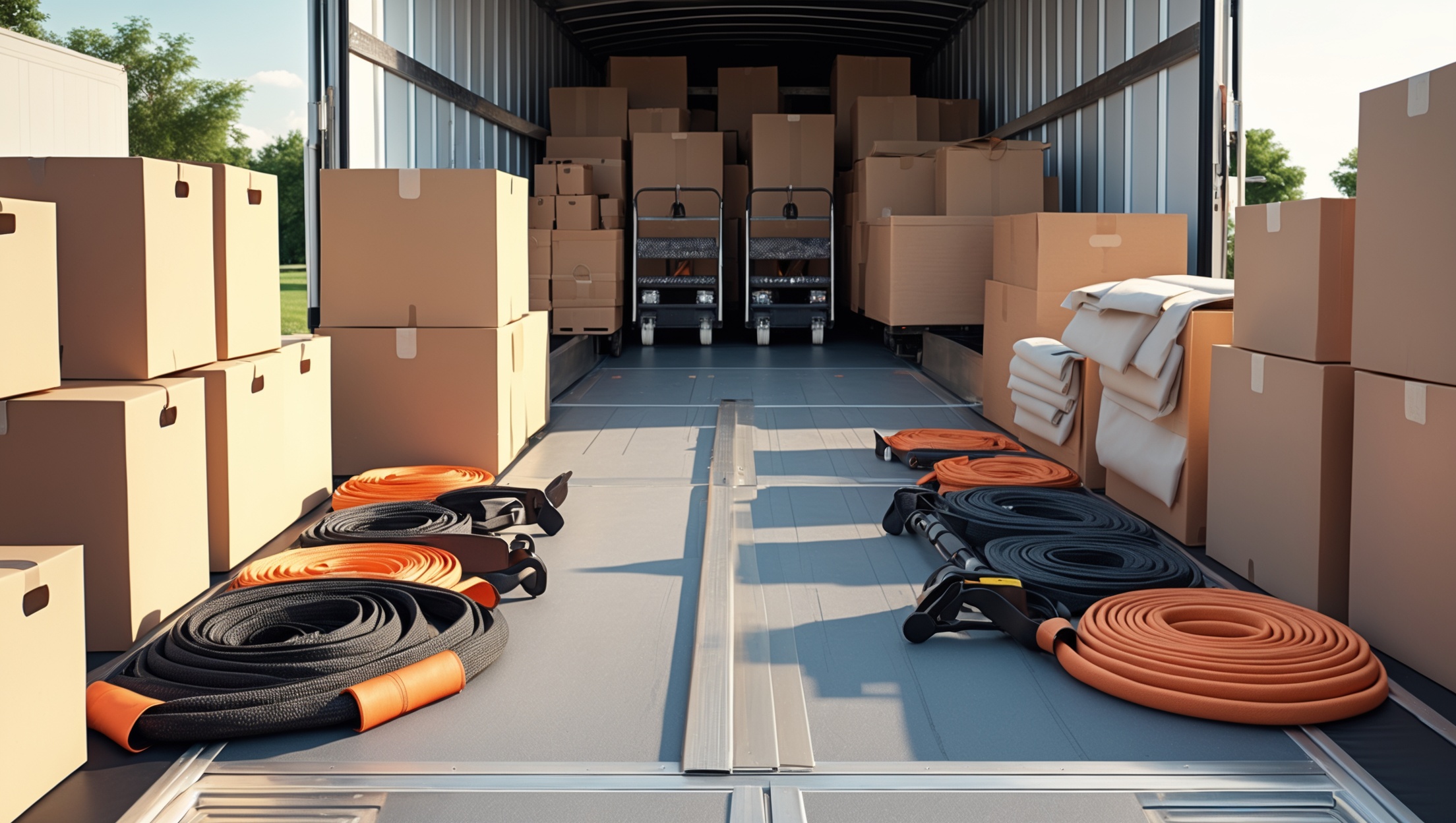
Use dollies, hand trucks, lifting straps, and sliders for heavy or bulky items. Never attempt to “muscle through” a difficult move—tools exist to make the job safer and easier.
Loading the Truck: Efficiency Meets Safety
Staging Items
Organize boxes and furniture near the loading door in the order they’ll go into the truck. This reduces lifting distance and prevents congestion.
Safe Lifting Into the Truck
- Use a ramp if available. Always walk, never run, up and down the ramp.
- One person on the truck, one on the ground. Communicate clearly and maintain eye contact.
- Stack heaviest boxes on the bottom and lighter ones on top to avoid collapse.
- Secure items as you go with straps or bungee cords to prevent shifting during transit.
Hazard Awareness
- Watch for slippery spots, especially if the ramp is wet.
- Keep hands and fingers clear of pinch points when setting items down.
- Never overload the ramp or try to carry too many items at once.
Storage Safety: Smart Practices for Long-Term Protection
Choosing a Safe Storage Unit
- Select a unit with good lighting and level access.
- Look for clean, dry, and well-ventilated spaces to prevent mold and pests.
Safe Stacking and Access
- Store heavier boxes on the bottom and lighter ones on top.
- Leave an aisle for safe movement inside the unit.
- Keep fragile or high-value items at waist height to avoid lifting injuries or accidental drops.
- Avoid stacking items above shoulder height—this increases the risk of falling objects and strains.
Using Ladders and Step Stools
- Always use a sturdy step stool or ladder for high shelves—never stand on boxes or unstable surfaces.
- Maintain three points of contact when climbing.
Preventing Common Moving Injuries and Accidents
Back and Muscle Strains
The most frequent moving injury. Prevention hinges on proper lifting, using equipment, and knowing your limits. If you feel a twinge, stop immediately and rest.
Cuts, Scrapes, and Bruises
- Wear gloves to protect against sharp edges.
- Use corner protectors on furniture and boxes.
- Keep a first-aid kit accessible in case of minor injuries.
Falls and Trips
- Keep walkways clear at all times.
- Use non-slip mats and make sure ramps are securely attached.
- Work in pairs when carrying large items on stairs.
Heat Exhaustion and Dehydration
- Schedule regular breaks in the shade or a cool area.
- Provide water and light snacks.
- Watch for signs of dizziness, headache, or nausea and stop immediately if they occur.
Children, Pets, and Spectator Safety
Moving day can be hazardous for little ones and pets. Arrange for them to stay with friends or in a safe, contained area away from the action. Never let children or animals play near the moving truck or loading zones.
Emergency Preparedness
First Aid and Emergency Numbers
- Have a stocked first-aid kit on hand, including bandages, antiseptic, ice packs, and pain relievers.
- Know the location of the nearest urgent care or emergency room.
- Keep your phone charged and emergency contacts easily accessible.
Dealing with Property Damage
- Photograph valuable items before you move.
- Inspect for damage as you load and unload—document issues immediately.
- If renting, report any accidental damage to the property owner or manager right away.
Post-Move: Safe Unloading and Unpacking
Reverse Your Loading Process
- Unload the heaviest items first, using proper lifting techniques.
- Place boxes and furniture in their designated areas to avoid repeated lifting.
- Take breaks as needed—fatigue increases the risk of accidents.
Safely Dispose of Packing Materials
- Break down boxes with a box cutter, cutting away from your body.
- Keep discarded plastic wrap, tape, and debris out of walkways to prevent slips.
Conclusion: Prioritizing Safety for a Stress-Free Move
Moving day doesn’t have to be a scramble fraught with risk and regret. By following a dedicated safety checklist, you take control of your move—protecting yourself, your helpers, and your valuable belongings from harm. Every step, from pre-move planning and proper lifting techniques to safe loading, storage, and emergency preparedness, plays a vital role in ensuring a smooth transition. Remember, even experienced movers can suffer injuries or property accidents when safety processes break down under pressure. Prioritize clear communication, use the right equipment, and know your limits. Take frequent hydration and rest breaks, and never rush or cut corners, even as the day wears on. If children or pets are involved, keep them safely out of harm’s way. Should an accident occur, a well-stocked first-aid kit and knowledge of emergency procedures can make all the difference. Ultimately, investing time in safety is an investment in peace of mind. You’ll finish your move not only with your belongings intact, but also with your health and energy preserved for the next chapter of your life. Make safety your moving day tradition—and enjoy the confidence that comes with doing things the right way, every time.
When assessing the pathway from my apartment to the moving truck, how do you recommend handling tight corners or narrow hallways? Are there certain tools or techniques that make it easier and safer to move larger furniture through these spaces?
Handling tight corners or narrow hallways is much easier if you first measure your furniture and doorways to ensure a good fit. Remove doors from their hinges if possible, and take off furniture legs or handles to reduce bulk. Using moving straps or furniture sliders can give you better control and reduce strain. Always move slowly and communicate clearly with helpers to avoid getting stuck or injured.
Could you elaborate a bit on how to safely lift heavy items when you don’t have professional moving equipment at home? I’m worried about hurting my back or dropping things while moving on my own.
To lift heavy items safely without professional equipment, start by clearing your path to avoid tripping. Bend your knees, not your back, and keep the item close to your body as you lift. Avoid twisting your torso; instead, turn your whole body with your feet. If possible, break larger loads into smaller, more manageable pieces. Wearing sturdy shoes and using gloves for better grip can also help prevent slips and injuries.
The article mentions reserving curbside space for loading. Any suggestions on how far in advance I should try to secure this, and what to do if my neighbors’ cars are blocking the area on moving day?
It’s a good idea to reserve curbside space at least a week before your move, especially if you need permits from your city or building. If neighbors’ cars are blocking the area on moving day, try leaving friendly notes a few days in advance to let them know you’ll need the space. If the area is still blocked, you may need to ask neighbors directly or, as a last resort, contact local authorities or your building management for assistance.