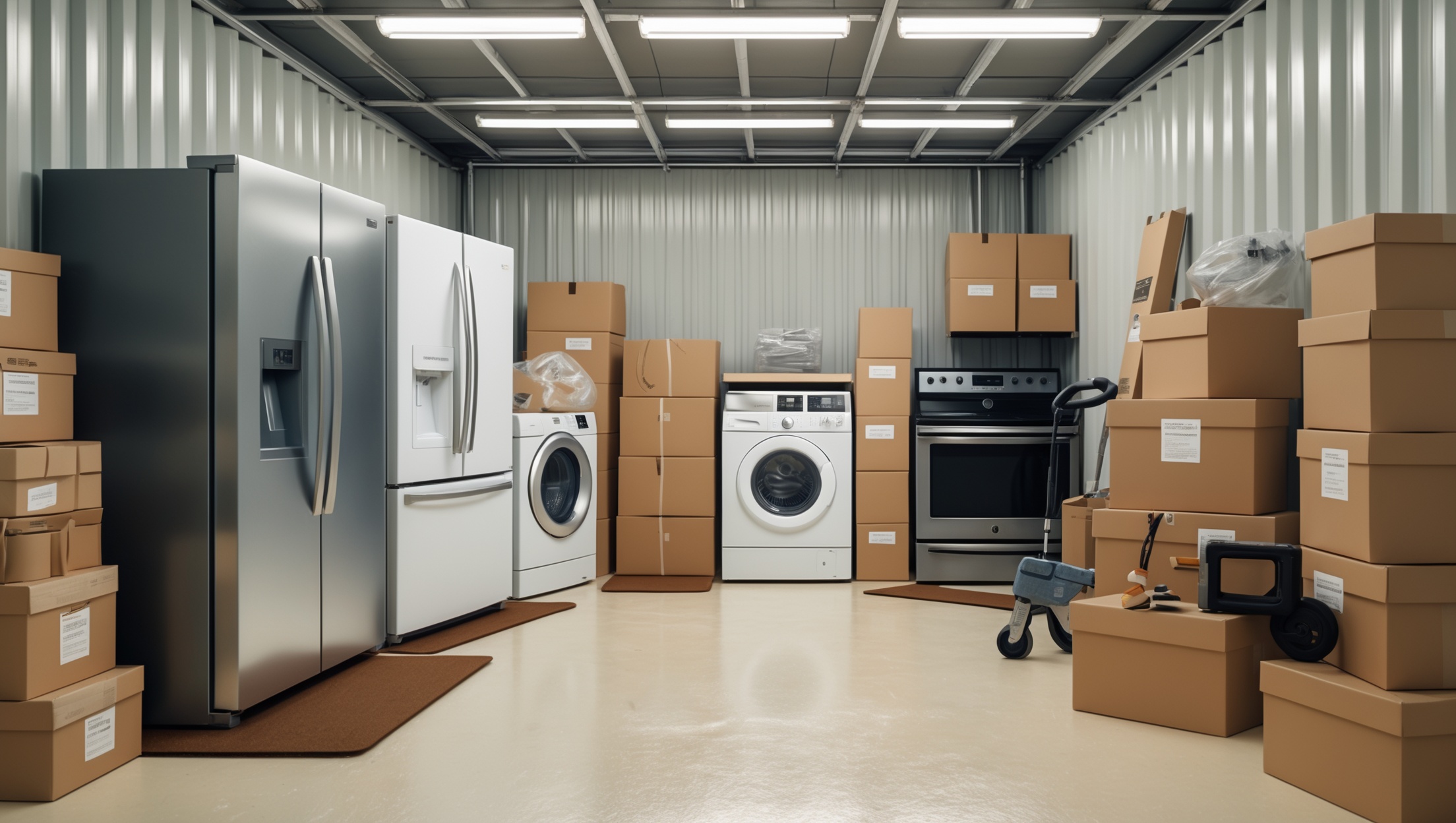
Introduction: The Overlooked Challenge of Moving and Storing Appliances
When planning a move or transitioning items into storage, most people focus on packing boxes, bubble-wrapping dishes, and renting the right size truck. But what about your appliances? Refrigerators, washing machines, dryers, ovens, and even microwaves are some of the most valuable and vulnerable items you’ll move or store. Improper preparation can result in costly damage, dangerous mold growth, electrical issues, or even voided warranties. Yet, appliance preparation is often rushed, overlooked, or handled incorrectly, leading to headaches down the line. In this in-depth guide, you’ll learn exactly how to prepare common household appliances for moving and storage—step by step. We’ll cover cleaning, disconnecting, drying, securing parts, and the right way to protect each unit to ensure they remain in perfect working order. Whether you’re a homeowner, renter, or storage facility manager, these expert tips will help you avoid expensive mistakes, preserve appliance longevity, and make your move or storage transition as smooth as possible.
Why Proper Appliance Preparation Matters
Appliances are built to last, but only when cared for correctly. Unlike furniture, they contain electrical, mechanical, and water components that can easily be damaged in transit or during periods of inactivity. Here’s why careful preparation is critical:
- Prevents Internal Damage: Water left in hoses or motors can freeze, cause mold, or corrode sensitive parts.
- Avoids Costly Repairs: Shifting parts or unsecured doors can break during a bumpy ride.
- Protects Your Investment: Most appliances cost hundreds to thousands of dollars to replace.
- Maintains Warranty Coverage: Manufacturers may deny claims for damage caused by improper moving or storage.
- Ensures Safety: Gas leaks, electrical shorts, or mold growth can pose serious risks if appliances are not prepped correctly.
Essential Tools and Materials for Appliance Preparation
- Moving blankets and pads
- Appliance dolly with straps
- Adjustable wrench and screwdrivers
- Plastic zip ties or rope
- Cleaning supplies (non-abrasive cleaners, sponges, towels)
- Protective gloves
- Seal-able plastic bags (for small parts and screws)
- Water-absorbent mats or moisture absorbers
- Furniture sliders (for repositioning heavy units)
Appliance-by-Appliance Preparation Guide
Refrigerators and Freezers
- Empty and Clean Thoroughly: Remove all food and shelves. Wash interior surfaces with a baking soda and water solution to neutralize odors and prevent mold.
- Defrost Completely: At least 24-48 hours before moving, unplug and leave the doors open to allow full defrosting. Soak up any excess water with towels.
- Dry Interior: Use dry towels or leave the unit open with a fan to ensure no moisture remains.
- Secure Shelves and Drawers: Wrap glass shelves separately and label. Secure drawers with tape or remove and pack separately.
- Tape Doors Shut: Once dry and empty, tape the doors shut with painter’s tape to avoid sticky residue.
- Protect Exterior: Wrap in moving blankets to prevent scratches.
- During Storage: Leave the appliance doors ajar (use a rolled towel or wedge) to prevent mold and odors.
Washing Machines
- Disconnect Power and Water: Unplug from the wall and turn off water supply valves. Disconnect both hot and cold hoses.
- Drain All Water: Run a drain/spin cycle with no laundry to remove residual water. Drain hoses and interior pumps thoroughly.
- Clean Drum and Dispensers: Run a cleaning cycle or use a mild detergent to remove soap residue and prevent mildew.
- Secure Hoses: Place hoses in a plastic bag and tape them to the back of the washer, or pack separately.
- Install Transit Bolts: If available, fit manufacturer-supplied transit bolts to stabilize the drum during transport.
- Protect Surface: Wrap with moving blankets or bubble wrap, focusing on control panels and corners.
Dryers
- Disconnect Power: Unplug electric dryers. For gas dryers, shut off the gas valve before disconnecting the hose. Cap the gas line when done.
- Clean Lint Trap: Remove and clean the lint screen and housing to prevent fire hazards.
- Secure Vent Hose: Remove and bag the vent hose, taping it to the back of the dryer.
- Wipe Interior and Exterior: Use a damp cloth to clean dust and debris.
- Protect Controls: Cover buttons and digital panels with bubble wrap or soft cloth before wrapping the whole unit.
Stoves and Ovens
- Unplug and Disconnect: For electric units, unplug from wall. For gas ovens, shut off gas and disconnect carefully—consider hiring a professional for safety.
- Remove Racks and Accessories: Take out oven racks, drip pans, and burners. Pack separately to prevent shifting and damage.
- Clean Thoroughly: Scrub all surfaces (inside and out) to remove grease and food residue, which can attract pests or cause odors.
- Secure Doors: Tape oven and warming drawer doors shut with painter’s tape.
- Protect Knobs and Glass: Wrap knobs, handles, and glass fronts with bubble wrap or towels.
Dishwashers
- Disconnect Power and Water: Unplug and shut off water supply. Remove water lines and drain hoses fully.
- Drain Fully: Use towels to soak up remaining water in the bottom. Leave door open for several hours to dry completely.
- Clean Interior: Run a rinse cycle with vinegar or dishwasher cleaning solution.
- Secure Racks: Tape or zip-tie racks in place.
- Tape Door: Secure the door for transport.
Microwaves
- Unplug and Clean: Wipe down interior and exterior surfaces. Remove and pack the glass turntable separately.
- Secure Cord: Tape the power cord to the back of the unit.
- Protect Buttons and Door: Use bubble wrap around the control panel and door latch.
Special Considerations for Appliance Storage
Climate Control
Whenever possible, store appliances in a climate-controlled unit. Extreme temperatures and humidity can cause condensation inside electronics, leading to rust or mold. If climate control isn’t available, use moisture absorbers and avoid placing appliances directly on concrete floors—use pallets or mats to allow airflow underneath.
Placement and Stacking
- Never Stack Heavy Items on Top: Even a small box can dent or damage appliance surfaces.
- Keep Doors Slightly Open: Prevent odors and mold by propping appliance doors open.
- Leave Space Around Units: Allow air circulation to reduce moisture buildup.
- Label Everything: Clearly mark hoses, bags, and accessories for easy reassembly.
Safety Checklist: Avoiding Hazards During Moving and Storage
- Double-check all appliances are unplugged and disconnected from water/gas lines.
- Use an appliance dolly and never attempt to move large units alone.
- Secure cords and hoses to prevent tripping or tangling.
- Wear sturdy footwear and gloves when handling heavy appliances.
- Inspect appliances for leaks, cracks, or broken parts before moving.
- Do not operate appliances immediately after moving or storage—let them stand upright for several hours, especially refrigerators, to allow fluids to settle.
- Never store flammable items inside any appliance.
Reconnecting and Restarting Appliances After Moving or Storage
- Inspect for Damage: Check cords, hoses, and exteriors for any signs of wear or cracks before reconnecting.
- Reinstall Parts: Attach shelves, hoses, and remove any transport bolts or packaging.
- Wait Before Use: For refrigerators and freezers, let the unit sit upright for 4–24 hours before plugging in.
- Test Connections: Turn on water and gas lines and check for leaks.
- Monitor Initial Use: Run a test cycle (laundry, dishwasher, oven) to ensure proper operation before loading with items or food.
Common Mistakes to Avoid
- Leaving appliances dirty or with residual water inside.
- Failing to secure moving parts, doors, or shelves.
- Forgetting to use transit bolts for washing machines.
- Stacking or storing appliances in a way that restricts airflow.
- Not labeling parts and accessories, leading to confusion during reassembly.
- Neglecting to check local storage regulations regarding appliance storage (some facilities restrict certain items).
Conclusion: Protecting Your Appliances is Protecting Your Investment
Prepping appliances for moving and storage may seem like extra work when you’re already juggling a long to-do list. However, giving each appliance the attention it deserves pays off with fewer headaches, lower repair bills, and longer-lasting machines. Taking time to clean, disconnect, dry, and secure every unit ensures that your refrigerator, washer, dryer, oven, and other appliances will be ready to serve you as soon as you set up your new home or retrieve them from storage.
Remember, appliances are among the most expensive and essential items most families own. A bit of preparation can mean the difference between a stress-free move and costly setbacks. Use the checklists and step-by-step advice above as your go-to reference for any move or storage situation. If you’re ever unsure—especially with gas lines or complex appliances—don’t hesitate to consult your manufacturer’s manual or hire a professional technician. With the right knowledge and careful preparation, you can rest easy knowing your appliances are safe, clean, and ready for their next chapter.