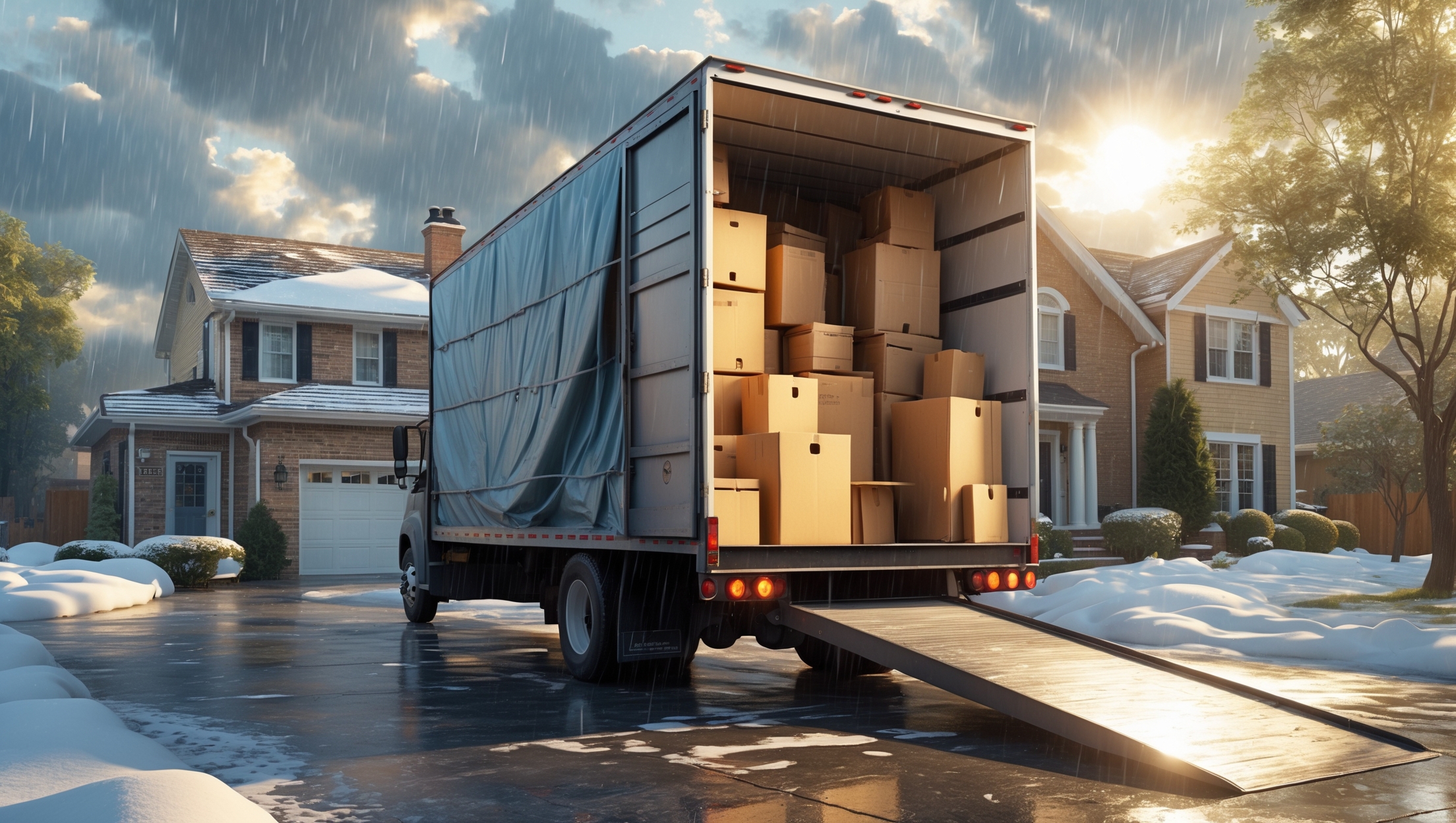
Introduction: Why Extreme Weather Moves Demand Special Preparation
Moving is a challenge at the best of times, but when the weather turns extreme—whether it’s scorching heat, biting cold, heavy rain, or snow—the risks and logistics multiply fast. Weather can impact everything: the safety of your belongings, the well-being of your moving crew, the timing of your move, and even the access to your new home or storage facility. Failing to plan for these variables can result in damaged possessions, safety hazards, and unexpected costs. The wrong kind of packing, the absence of weather-appropriate gear, or simply overlooking environmental risks could mean ruined furniture, water-damaged boxes, or even injury. This comprehensive guide dives deep into the practical details you’ll need to ensure a successful move in any extreme climate. You’ll find actionable advice on protecting your valuables, keeping everyone safe, and making smart decisions for storage and transport. Whether you’re braving a summer heatwave, a winter blizzard, or a sudden downpour, these strategies will help you move confidently, preserve your belongings, and avoid costly mistakes.
Understanding the Risks of Extreme Weather Moves
Heat and Humidity Hazards
High temperatures can warp wood, melt plastics, and cause adhesives to fail. Electronics and delicate items are especially vulnerable. Humidity increases the risk of mold and mildew, particularly for textiles and paper products. Overexertion and dehydration are serious risks for anyone doing heavy lifting.
Cold and Ice Challenges
Freezing temperatures can make materials brittle and susceptible to cracking. Liquids may freeze and containers can burst. Ice and snow make walkways hazardous, increasing the risk of slips and falls for movers and damaging property.
Rain, Flooding, and Moisture
Water infiltration is a top concern. Cardboard boxes disintegrate quickly, and water can ruin mattresses, upholstery, and electronics. Flooded streets or driveways may block access to homes or storage units.
Wind and Storm Surges
Strong winds can blow debris, tip over boxes, and make loading or unloading dangerous. Storm surges or flash floods add urgency to moving tasks and can cause severe, immediate property damage.
Advanced Packing Strategies for Every Weather Scenario
Waterproofing Your Move
- Plastic Bins and Totes: Use heavy-duty plastic containers for sensitive items instead of cardboard. Snap-on lids provide extra protection.
- Contractor Bags: Line the interior of boxes with contractor-grade trash bags for an additional water barrier.
- Shrink Wrap & Moving Blankets: Wrap furniture and mattresses in plastic shrink wrap, then cover with moving blankets to protect against condensation and temperature swings.
- Tape Seals: Use waterproof packing tape to seal seams and edges. Standard tape can lose adhesion in humidity or cold.
Protecting Against Heat and Sun
- Thermal Wraps: Use insulated blankets or reflective wrap for electronics, musical instruments, and artwork.
- Avoid Black Plastic: Black bins or bags trap heat; choose light-colored containers when possible.
- Packing Order: Load heat-sensitive items last so they’re unloaded first and spend less time in the truck.
- Gel Packs: For very sensitive items, consider reusable gel cold packs (never ice) to maintain a stable temperature in transit.
Packing for Cold and Freezing Conditions
- Double-Wrap Fragile Items: Bubble wrap and extra padding insulate glassware, ceramics, and electronics from sudden temperature changes.
- Insulated Boxes: Use foam-lined containers or insulated moving boxes—especially for items with batteries or liquids.
- Allow for Expansion: Don’t overfill liquid containers; leave room for expansion to prevent bursting.
- Moisture Absorbers: Add silica gel packets or desiccants to boxes to reduce condensation.
Weather-Resistant Labeling
- Waterproof Markers: Standard ink can run in rain or snow. Use industrial waterproof markers for all labels.
- Laminated Tags: Use zip-tied laminated cards as backup labels for high-value or essential boxes.
Outdoor Logistics: Preparing Your Home and Access Points
Driveway and Walkway Prep
- Snow and Ice: Shovel and salt all walkways well in advance. Keep extra salt or sand on hand in case conditions worsen during the move.
- Rain and Mud: Lay down plywood, tarps, or industrial mats to create a stable, slip-resistant path for movers and dollies.
- Heat: Set up shade canopies or umbrellas at entry points for temporary relief.
Protecting Your Home’s Interior
- Entryway Covers: Use waterproof drop cloths or moving pads at entrances to avoid tracking in mud, water, or ice.
- Floor Runners: Lay down non-slip runners to protect flooring from wet boots, snow, or grit.
- Doorway Seals: Install temporary weather stripping or use towels to block drafts and keep out the elements.
Parking and Truck Access
- Scout Ahead: Confirm that your moving truck can safely park near entrances—even if snowplows haven’t cleared the street or flooding has occurred.
- Permits: In urban areas, secure temporary parking permits to minimize the distance your belongings are exposed to the elements.
- Alternate Routes: Have a backup plan if main roads are impassable due to weather.
Safety Protocols for Moving in Extreme Conditions
Heat Safety for Movers
- Hydration Stations: Keep water and electrolyte drinks accessible at all times. Set mandatory hydration breaks every 30–45 minutes.
- Dress Appropriately: Lightweight, moisture-wicking clothing and wide-brimmed hats reduce heat stress.
- Time Management: Start early, avoid midday peaks, and stagger work to limit time in direct sun.
Cold Weather Precautions
- Layered Clothing: Wear multiple layers that can be adjusted as you warm up or cool down.
- Footwear: Insulated, waterproof boots with non-slip soles prevent frostbite and falls.
- Warm-Up Breaks: Schedule regular indoor breaks to prevent hypothermia or numbness.
Rain and Storm Safety
- Rain Gear: Use raincoats, waterproof gloves, and hats. Keep towels on hand for drying hands and tools.
- Electrical Safety: Keep all electronics and power tools away from standing water. Use GFCI outlets if working outdoors.
- Wind Protocols: Halt outdoor work during high wind advisories to prevent injuries from flying debris.
Transporting Belongings Safely in Adverse Weather
Loading and Securing Items
- Staging: Stage boxes in a covered area or garage before loading to minimize exposure.
- Truck Organization: Place waterproofed and weather-resistant items near the doors. Ensure heavier, less sensitive items go in first.
- Strapping and Anchoring: Use moving straps and tie-downs to prevent shifting during sudden stops or slick road conditions.
Driving Tips for Moving Trucks
- Slow and Steady: Reduce speed in wet, icy, or windy conditions. Allow extra stopping distance.
- Monitor Weather Reports: Use live weather apps to track storms or heat advisories along your route.
- Emergency Supplies: Carry sand, salt, a shovel, snow chains, blankets, and a first aid kit.
- Check Regulations: Some highways restrict truck travel in severe conditions. Know your route and alternatives.
Storage Solutions for Extreme Weather Moves
Choosing the Right Storage Facility
- Climate-Controlled Units: Essential for electronics, wood, artwork, and textiles during temperature swings.
- Flood-Resistant Design: Select facilities on higher ground, with raised units or integrated drainage systems.
- Accessibility: Confirm 24/7 access and check if snow removal or flood management is provided.
Preparing Items for Storage
- Pallets and Shelving: Keep all boxes and furniture off the ground using pallets or shelving to avoid water damage from minor flooding.
- Ventilation: Allow air circulation to reduce condensation and mold risk in humid or rainy conditions.
- Desiccants: Use moisture absorbers liberally, especially for long-term storage.
- Inventory Management: Photograph and digitally catalog stored items for easier claims in case of weather-related damage.
Special Considerations for Vehicles and Outdoor Equipment
- Winterization: For vehicles, drain fluids as recommended and use fuel stabilizers. Cover with weatherproof tarps secured with bungee cords.
- Battery Storage: Remove and store batteries indoors to prevent freezing and leakage.
- Rust Prevention: Wipe down metal tools and equipment; apply a light coat of oil to prevent corrosion before storage.
Handling Unpredictable Delays and Emergencies
Contingency Planning
- Flexible Scheduling: Book movers or truck rentals with flexible rescheduling or cancellation policies.
- Emergency Contacts: Maintain a list of local weather hotlines, tow services, and facility managers.
- Temporary Lodging: Identify nearby hotels in case of sudden weather closures or impassable roads.
Insurance Considerations
- Weather Damage Coverage: Review policies for protection against water, wind, or temperature-related losses.
- Transit Insurance: Ensure your policy covers belongings during transport, not just in storage.
- Documentation: Take pre-move photos and keep receipts for all valuables.
Pro Tips for a Smooth Move in Challenging Conditions
- Professional Movers: Hire experienced movers familiar with your region’s weather patterns. Ask about their weather contingency plans in advance.
- Equipment Rental: Consider renting additional gear like dollies with all-terrain wheels, portable heaters, or dehumidifiers.
- Real-Time Communication: Stay in touch with all parties—movers, facility managers, and helpers—using group messaging apps.
- Essential Bag: Keep an overnight bag with clothes, snacks, basic tools, and chargers in your vehicle. Weather delays can leave you separated from your belongings longer than expected.
Conclusion: Stay Safe and Secure, Whatever the Forecast
Moving during extreme weather isn’t just about bracing yourself for inconvenience—it’s about proactively managing risks, protecting your investments, and ensuring everyone’s well-being. Every weather scenario, from blazing summer heat to icy winter storms, brings its own set of challenges that demand specific, actionable solutions. By waterproofing your packing, preparing your property, and adapting your logistics for the conditions at hand, you can dramatically reduce the risk of damage or injury. Thoughtful choices in storage, transport, and insurance further insulate you against the unexpected, while flexible planning and professional support keep your move on track, even if the forecast changes. Remember, the key to a successful extreme weather move isn’t just reacting to problems as they arise—it’s anticipating them with careful, expert preparation. With the right strategies, tools, and mindset, you can turn even the toughest moving day into a safe, smooth, and satisfying experience. So, don’t let the weather dictate your move—take control, follow these best practices, and relocate with confidence, come rain, snow, or shine.
You mention that high humidity can increase the risk of mold and mildew on textiles and paper products during a move. Are there certain types of packing materials that work better than others to protect against humidity, or is it more about the way I pack?
Both the choice of packing materials and your packing method matter when protecting against humidity. Use plastic bins with tight-fitting lids instead of cardboard boxes, as they create a better moisture barrier. For added protection, include silica gel packets or moisture absorbers in each container. Wrapping sensitive items in plastic bags or sealing them in vacuum bags also helps limit exposure to damp air.
I’m planning a move next month and the forecast is calling for a lot of rain. You mentioned that water can ruin mattresses and electronics—do you have any specific tips on how to waterproof these items, especially if I have to load them into a truck in the pouring rain?
To protect mattresses, use a waterproof mattress bag or heavy-duty plastic, sealing all seams with packing tape. For electronics, wrap each item in plastic wrap or large garbage bags, and place them in sturdy boxes with extra padding. Keep items off the truck floor with pallets or tarps in case water gets inside. If possible, load sensitive items last so they spend less time exposed to rain.
When moving in freezing temperatures, what are the most effective ways to protect items that might get brittle or crack, like certain plastics or glassware? Should I be taking them in my own car instead of the moving truck if possible?
Protecting fragile items like plastics and glassware in freezing temps is important since they can become brittle and crack. Wrap them well in blankets or bubble wrap to insulate against the cold. If you can, transporting these items in your own heated car is much safer than the unheated moving truck. Also, let them gradually adjust to warmer indoor temperatures before unpacking.
Is there a way to tell if certain items, like wood furniture or paper keepsakes, should go into a storage unit versus the moving truck during a winter snowstorm? I’m concerned about possible damage from freezing temperatures.
You’re right to be concerned about freezing temperatures during a winter move. Wood furniture can crack or warp if exposed to extreme cold and rapid temperature changes. Paper keepsakes may become brittle or damaged if they absorb moisture. If your storage unit is climate-controlled, it’s generally safer for sensitive items than an unheated moving truck. However, if the storage unit isn’t temperature regulated, try to move these items quickly and insulate them with blankets or waterproof covers. Always avoid leaving valuables in unheated spaces for extended periods.
I’m planning a summer move and I’m worried about the risk of dehydration for everyone helping out. Besides having water available, are there any practical ways to schedule breaks or organize the move to minimize heat exhaustion without causing major delays?
To minimize heat exhaustion during a summer move, try scheduling heavier lifting and outdoor work for early mornings or later in the evening when temperatures are lower. Build in short, regular breaks—about every 30 to 45 minutes—preferably in a shaded or air-conditioned area. Rotate tasks among your helpers so no one is overexerted, and encourage everyone to wear light, breathable clothing. This way, you can stay productive without risking anyone’s health.
If unexpected heavy rain is in the forecast while moving, is it better to delay the move altogether, or are there reliable ways to keep furniture and boxes protected on a tight schedule and budget?
If delaying the move isn’t an option, you can still protect your belongings during heavy rain. Use plastic tarps, plastic wrap, or large trash bags to cover furniture and boxes. Pack items in plastic bins if possible, and keep towels handy to wipe off wet surfaces. Load the moving truck in smaller stages, and if possible, park it as close to the entrance as you can to minimize water exposure. These steps help prevent water damage without adding major costs.
For winter moves, I understand ice can make walkways risky. Do you recommend clearing snow yourself before the movers arrive, or is it better to hire help for safety reasons? Any advice on keeping everyone safe but also staying within a reasonable budget?
If you’re comfortable and able, clearing snow and spreading ice melt before the movers arrive is a good way to save money and reduce safety risks. However, if the snowfall is heavy or conditions are icy, hiring local help for snow removal might be worth it to avoid injury. Either way, wearing boots with good traction and keeping shovels and salt handy will help everyone stay safe.
You mentioned humidity leading to mold in textiles and paper products. If I’m storing boxes in a storage facility for a few weeks during rainy season, should I use something specific to prevent moisture damage, or is wrapping them in plastic enough?
Wrapping your boxes in plastic can help keep out direct moisture, but it may also trap humidity inside, which can lead to mold growth on textiles and paper. For better protection, use desiccant packs or silica gel inside the boxes to absorb excess moisture. Also, choose breathable materials like cotton sheets to wrap delicate items, and if possible, use climate-controlled storage to minimize humidity problems.
When moving in freezing temperatures, do you recommend renting a climate-controlled moving truck, or are there effective ways to protect electronics and delicate items using just insulation and blankets? I’m trying to keep costs down.
Renting a climate-controlled moving truck offers the best protection for electronics and delicate items in freezing temperatures, but it is more expensive. If you want to save costs, you can wrap electronics and sensitive items in several layers of thick blankets, bubble wrap, or foam insulation to help keep them warm. Try to keep them inside your heated car until the last moment, and avoid leaving them in the cold for long periods.
You mention that humidity can cause mold and mildew on textiles and paper products. Are there particular packing materials or techniques that work best to prevent this when moving during a summer heatwave?
To protect textiles and paper products from mold and mildew during a humid summer move, use breathable packing materials like cotton sheets or acid-free paper instead of plastic, which can trap moisture. Add silica gel packets or moisture absorbers to each box. Make sure all items are completely dry before packing and seal boxes securely to limit humidity exposure during the move.
When it comes to moving during a winter blizzard, what are your suggestions for making sure walkways stay safe for the movers? Would you recommend hiring professionals over doing it yourself in icy conditions, or are there reliable DIY hacks?
During a winter blizzard, it’s important to keep walkways shoveled, use salt or sand to reduce ice, and lay down traction mats if possible. Clear paths before movers arrive and check them regularly for new ice. If conditions are especially hazardous, hiring professionals is safer—they’ll have the right equipment and experience. However, if you choose DIY, work slowly, wear shoes with good grip, and never try to carry heavy loads on untreated ice.
For moves in freezing conditions, what’s the best way to prevent hazardous ice buildup on walkways without damaging landscaping or concrete? I’d like to keep things safe for movers but avoid long-term property issues.
To prevent ice buildup safely, use products like calcium magnesium acetate or sand instead of traditional rock salt, as these are less damaging to concrete and landscaping. Shovel snow promptly, then apply your chosen ice melt in a thin, even layer. After the move, sweep up any excess to protect your property and nearby plants.
When it comes to moving in snowy or icy conditions, what are your top tips for keeping walkways safe and preventing movers from slipping? Are there particular products or techniques that have worked well for you beyond just shoveling and salting?
In addition to shoveling and salting, using sand or non-slip traction granules on icy walkways can help provide extra grip. Placing sturdy floor mats at entry points keeps shoes dry and reduces indoor slipping. If you have especially slick steps or ramps, applying temporary adhesive treads can make a big difference. It’s also smart to clear snow frequently during the move and to keep walkways well-lit so any patches of ice are easier to spot.
I’m wondering how to plan the timing of a move to avoid the worst of extreme weather. Are there certain times of day or particular months in the US when it’s safer or easier to move to avoid things like heatwaves or blizzards?
To avoid extreme heat, plan your move for early morning or late evening during summer months, as midday tends to be hottest. In regions prone to blizzards, avoid moving in peak winter (December through February). Spring and fall are generally milder and considered the safest seasons for moving in most parts of the US. Always check local forecasts and have a backup plan in case weather changes unexpectedly.